
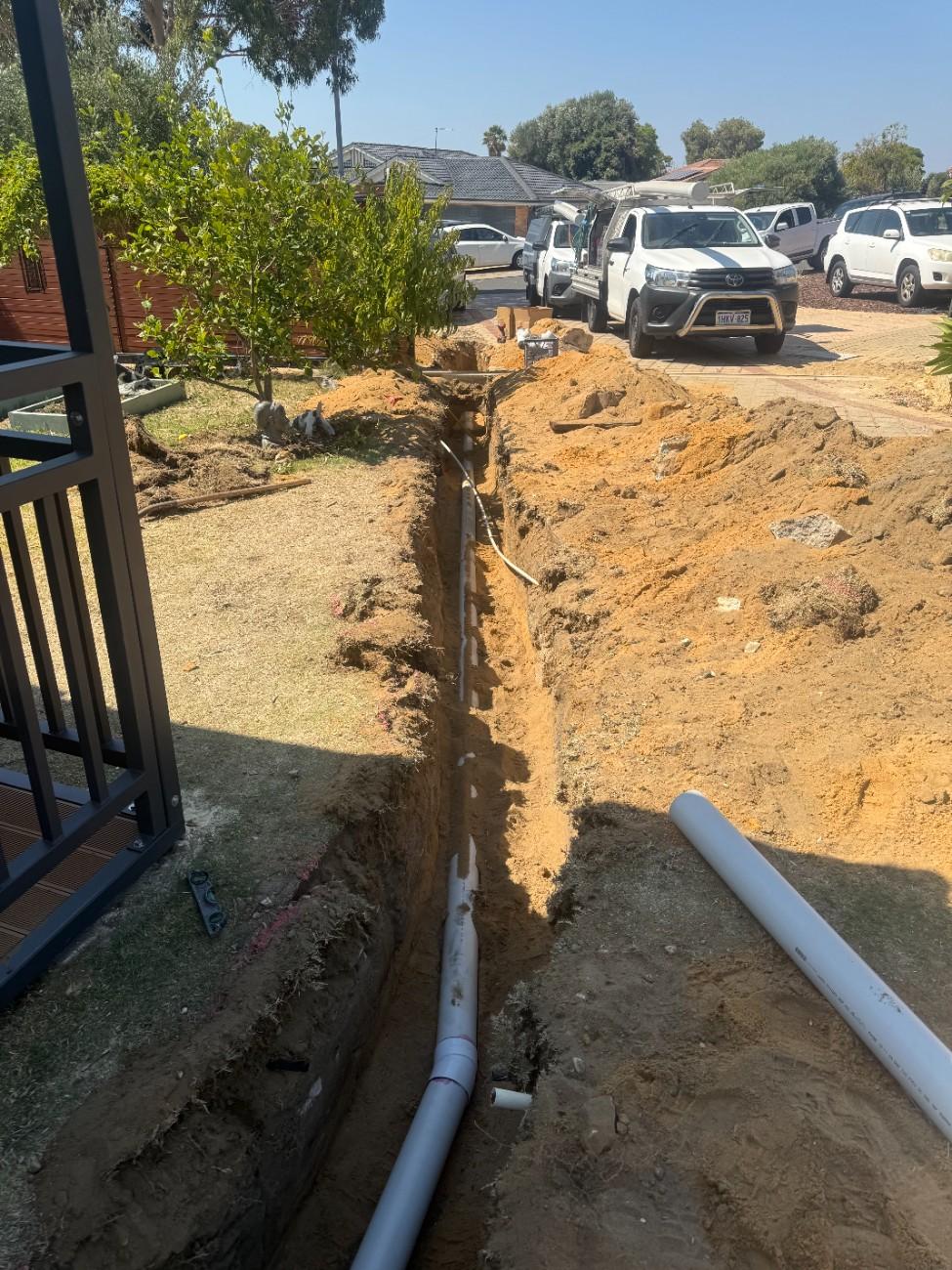
Hidden pipe damage often goes unnoticed until expensive repairs become unavoidable. Fortunately, Reline Plumbing offers a modern solution that restores damaged pipes without digging across gardens, driveways, or flooring.
This smart pipe-fixing style is becoming a top pick all over our local suburbs because it wraps up the job fast, cuts out structural mess, and stands up to decades of daily use. Heaps of traditional properties are stuck with rusted lines, joint leaks, or thick timber roots choking their outfalls.
Still, ripping out the whole network is a huge waste of budget. Instead, choosing reline plumbing grows a super-tough new pipe sleeve straight inside the old broken run, adding forty years of asset life while skipping heavy excavating tools, giving landlords a much cleaner job, low garden bills, and fast handovers.
Plus, next-gen sleeve technology adapts perfectly to family home setups and heavy commercial lines alike. Getting a plain look at how this trade process maps out lets you protect your ledger before a loose line collapse ruins your whole subfloor.
Understanding Reline Plumbing and How It Works
Standard reline plumbing tracks as a clean trenchless pipe repair route engineered to fix buried sewer lines without pulling up a single inch of the old iron or clay. Instead of digging a massive hole, the line mechanics slide a soft felt sleeve soaked in custom chemical resin right down the old pipe, blowing it up like a balloon so it molds tight against the walls and bakes into a rock-solid core.
The moment the material sets, that hardened sleeve acts as an ultra-tough inner skin that glues split joints shut, blocks water leaks, and stiffens up paper-thin old lines, giving your buried asset a smooth new flow face without needing any civil building work.
This slick internal patch handles a wide mix of buried channels, running smoothly through downpipe storm lines, main toilet stacks, and heavy grease traps across domestic blocks and industrial parks all over the city.
Far ahead of old-school dig-and-replace tracks, choosing a trenchless pipe repair layout leaves your front turf, brick driveways, and concrete house footings perfectly untouched, which means your rolling yard repair bills stay beautifully low after the plumber leaves the block.
Going with a fresh round of reline plumbing slashes your project hours down to a minimum since you don’t have to hire a mini-digger or pay for labor to shovel dirt. Because of that, ticketed line experts will always advise going with this internal sleeve fix whenever the standing pipe frame is stable enough to hold the new liner.
Common Problems That Reline Plumbing Solves
Subsurface wastewater setups take a non-stop beating from shifting ground moisture, creeping roots, chemical scaling, and raw age, which cracks the pipe hulls until your sinks start gurgling and your maintenance bills spike.
Opting for an expert pass of reline plumbing treats a massive list of regular layout faults before your main boundary junction completely caves in.
|
Pipe Problem |
How Reline Plumbing Helps |
|
Cracked pipes |
Seals structural cracks permanently |
|
Tree root intrusion |
Blocks future root penetration |
|
Minor pipe movement |
Reinforces weakened sections |
| Joint separation |
Creates one continuous internal pipe |
| Small leaks |
Stops water escaping underground |
| Corrosion damage |
Covers deteriorated pipe surfaces |
Blocked drain repair often becomes necessary after roots enter damaged pipes. Fortunately, plumbers normally clear the obstruction before installing the new liner. Afterwards, the relined pipe provides a smoother surface that improves water flow.
Cracked pipe repair also becomes easier because excavation rarely forms part of the project. Instead, plumbers repair the damaged section from existing access points.
As plumbing technology continues to improve, Reline Plumbing remains one of the most practical long-term repair solutions available for Gold Coast properties.
Why Gold Coast Property Owners Choose Reline Plumbing
Gold Coast properties face unique plumbing challenges because changing weather, shifting soil, ageing infrastructure, and growing tree roots place constant pressure on underground pipes.
Consequently, pipe damage becomes more common as plumbing systems age. Thankfully, utilizing reline plumbing rolls out an immaculate structural fix without dealing with the endless mess of an open trench project. Our classic local estates run on clay trunks that have been down in the dirt for half a century, picking up micro-cracks and dropped joints along the way. Instead of digging up the property,
Setting up a clean round of relining plumbing remolds the broken track straight from the inside, letting your current grid infrastructure run with miles higher pressure limits and zero leakage issues.
Everyday families love how clean the driveway stays while the crew works, and corporate managers favor the short turnaround times because their staff can keep trading without any bathroom shutdowns, pushing trenchless pipe repair to the very top of local property specs.
Another huge win is that you get to keep your expensive outdoor landscaping looking pristine. Your flower beds, paved BBQ spaces, in-ground pools, and concrete carport bays stay completely safe because you don’t need a backhoe on the lawn, meaning your structural landscaping value stays safe.
Modern relining materials also offer impressive durability. Once cured, the internal liner creates a seamless surface that improves water flow while reducing the likelihood of future leaks. For many properties, Reline Plumbing delivers a dependable long-term repair rather than a temporary fix.
Reline Plumbing vs Traditional Pipe Replacement
Picking your exact fix track relies on your raw line stability, upfront budget, and home limits. Still, licensed contractors will always push for modern reline plumbing as the sharpest play on the board if the standing pipe wall can hold the liner.
The comparison below highlights the key differences.
|
Feature |
Reline Plumbing |
Traditional Pipe Replacement |
|
Excavation |
Minimal or none | Extensive digging required |
|
Project duration |
Usually completed faster | Often takes several days |
|
Landscape damage |
Very limited | Significant restoration may be needed |
| Driveway disruption | Rare |
Common |
| Pipe lifespan | Long-lasting internal liner |
New replacement pipe |
| Property restoration | Minimal |
Higher restoration costs |
While you will still need to dig if your clay main has completely pancaked into the dirt, going for reline plumbing patches up dozens of common line fractures without throwing a single shovel of earth, leaving a slick internal gloss coat that shoots greywater down to the main line like lightning.
This internal sleeve track also cuts out machine noise, heavy skip bin waste, and unneeded lawn holes, leaving it as the most common-sense option to fix local household pipelines and large factory drains alike.
Signs That Indicate Reline Plumbing May Be Needed
Subfloor line breaks usually worsen quietly for multiple quarters before you ever notice a wet spot on the grass. Learning to read your layout flags early is what keeps your budget clear of major reconstruction bills and surprise toilet overflows.
Dealing with constant toilet backups is a clear sign that you are fighting a bigger issue than a simple paper plug. Pipe splits, timber roots, or dropped junctions are likely choking your outfall line under the slab, which is why your pipes keep locking up even after you clear them out.
A sour, stale reek that fills the laundry usually means your main sewer line has cracked open out of sight, letting foul marsh gases leak through the foundation cracks. Seeing bright green, soggy grass patches or sudden pooling on the driveway is another clear warning that your pipe has split down in the dirt.
Slow drainage from multiple fixtures deserves attention as well. When sinks, showers, and toilets all drain poorly, structural pipe damage becomes more likely than a single local blockage. Early inspection helps identify the true cause before the problem worsens.
Cracks opening up in your brickwork can sometimes point to an ongoing subfloor plumbing leak. While clay soil movement happens for plenty of reasons, a leaking pipe slowly washes away the dirt under your footings, proving why calling a pro early is the only way to safeguard your brick walls.
Property owners seeking reliable plumbing advice can also refer to the Australian Government’s water efficiency guidance. Proper maintenance supports healthier plumbing systems while reducing unnecessary water waste.
Booking an immediate walkthrough with an HD digital line probe lets the plumbing team see if modern reline plumbing stands out as the highest-yield fix for your property assets.
The Step-by-Step Reline Plumbing Process
Pulling off a perfect, leak-free reline plumbing pass relies flat-out on sticking to a clean, multi-point trade sequence. Commercial-grade tech and sharp video sweeps patch up your lines without drilling your concrete slabs, focusing 100% on millimeter precision, hardware toughness, and clean execution.
The work kicks off by pushing a self-leveling color drain probe down the access point. As the camera lens navigates the line, it maps out all your internal pipe fractures, root nets, or rusted scaling on the monitor, confirming on the spot if the line can handle a fresh sleeve update.
Next, the team clears the line using a high-horsepower hydro-jet skid. This intense water blast strips away years of caked lard, mineral crusts, loose dirt, and timber fibers, leaving a pristine internal pipe face so the new resin sleeve can glue itself down flawlessly.
With the line clean, the tradesmen mix up a custom batch of two-part epoxy resin and coat the soft felt liner strip down to the exact millimeter of your broken pipe track, rolling the prepped sleeve into the access hatch using compressed air lines.
The sleeve is then blown open under constant pressure until it locks tight against the old clay profile. As the chemical reaction bakes the resin hard, it creates a seamless, ultra-smooth new core inside the old line. To finish, a final camera pass walks the pipe to check the path and confirm your flow velocities are tracking perfectly at 100%.
What Affects the Cost of Reline Plumbing?
The final line-item invoice for a reline plumbing project moves across a flexible scale because every buried network presents its own set of structural errors. Still, the process usually saves you a massive chunk of money since you don’t have to fund high-cost landscaping rebuilds or concrete trucks.
The length of the damaged pipe plays an important role. Short repairs usually require fewer materials and less labour than long pipeline sections. Likewise, the number of damaged areas also affects the overall project cost.
The raw size of your drains alters the material price sheet; running six-inch industrial lines requires heaps more chemical resin and extra curing hours on site. Plus, awkward boundary junctions or deep inspection eyes add extra trade hours if the crew needs to build custom pulleys to guide the sleeve into place.
The total scale of your line rot changes the setup timeline too; fixing a single line crack takes much less prep work than clearing out a line that has been completely taken over by thick wood roots or scale scaling, which is why a fast camera pass maps out an honest pricing sheet.
While the upfront quote looks higher than just paying a guy to plunge a line on the weekend, opting for modern pipe relining drives your ongoing property upkeep costs straight off a cliff, utilizing an unyielding inner armor to eliminate repeat water leaks, silt blockages, and line fractures down the track.
Conclusion
Committing your property folder to reline plumbing serves up a clean, high-velocity blueprint to fix your buried mains without bringing heavy excavating machinery onto the allotment, shielding your rose beds, paved decks, and structural foundations perfectly.
What’s more, the slick new resin wall optimizes your flow capacity, seals off minor weeps, and blocks timber roots from ever getting a grip inside your joins, giving residential landlords and business operators a premier infrastructure update that runs flawlessly on autopilot.
Getting a rapid diagnostic camera check down your access eyes is your single sharpest weapon to catch subsurface pipe rot before it turns into a high-priced midnight flooding emergency, a data-first footing that stretches your standing lines while keeping your trade bills beautifully flat.
Professional advice ensures every plumbing issue receives the most suitable repair method. Reach out today – a trusted Gold Coast plumbing specialist to arrange a CCTV inspection, discuss Reline Plumbing options, or request a no-obligation quote for a lasting pipe repair solution.
FAQs
1. How long does Reline Plumbing last?
Professionally installed Reline Plumbing can last 50 years or more under normal conditions. The durable epoxy liner creates a strong internal pipe that resists corrosion, leaks, and tree root intrusion, making it a dependable long-term plumbing repair solution.
2. Can Reline Plumbing repair tree root damage?
Spot on. Sinking your budget into modern reline plumbing completely fixes lines after the hydro-jets cut out invasive root masses, mapping a seamless chemical skin right over old cracked pipe repair zones to stop hair roots from ever sniffing out the water loop again.
3. Is Reline Plumbing better than replacing underground pipes?
Reline Plumbing is often the preferred option when pipes remain structurally suitable for internal restoration. It requires little excavation, reduces property damage, shortens repair time, and lowers restoration costs while delivering a durable and reliable repair.