Why Your Pipes Keep Bursting & How Professionals Fix It
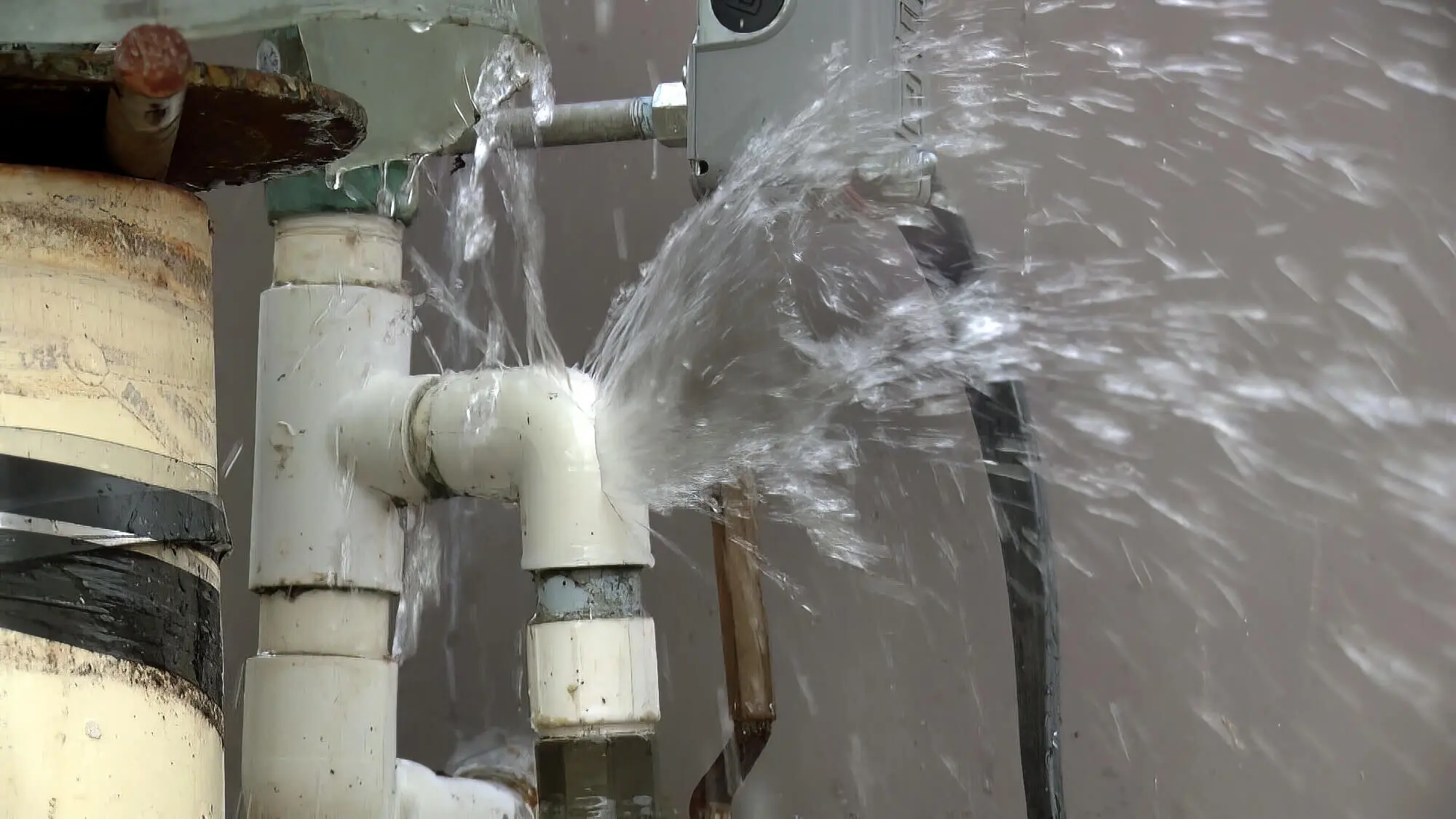
Imagine this: you’re sipping your morning coffee when out of nowhere you hear a loud POP, followed by a spray of water and a very soggy rug. It’s the worst surprise you never expected – a burst pipe. It can turn your weekend into a chaotic water park (and not the fun kind at Sea World). Let’s chat about why pipes on the Gold Coast tend to burst and how those savvy plumbing pros swoop in to save your day.
Common Causes of Burst Pipes on the Gold Coast
Ever wonder why your Gold Coast home would see pipes burst when we rarely see freezing weather? It turns out, freezing is rarely the culprit here, so we’ve got to look at other mischief-makers. Old or corroded pipes can suddenly crack under pressure. Even though winter chills aren’t common, our water’s “hard” mineral content can slowly scale the insides of pipes, putting extra stress on them.
If the thought of a geyser in your living room is stressing you out, remember that you don’t have to panic alone. When disaster strikes, call a burst pipe repair specialist in Gold Coast right away to help. Local pros know how to run the clock on a bursting emergency and swoop in with the right tools and fixes. (Bookmark a trusted plumber’s number now – because, trust us, you’ll want it handy!)
Now that we’ve covered why pipes might pop, let’s break down the troublemakers more thoroughly. Here are some top culprits behind those wet-floor nightmares:
- Rust and Corrosion: Old metal pipes get thinner as rust eats away the walls until they simply give out under pressure. You might not see the decay, but eventually the weak spot bursts.
- Hard Water Deposits: Queensland’s water is fairly “hard,” packed with minerals like calcium and magnesium. Over time these build up on pipe walls, narrowing them and upping the internal pressure. Imagine shrinking the pipe’s inside space – it’s asking for a blowout.
- High Water Pressure & Water Hammer: Too much pressure in the line can flex pipes and even send shock waves through your plumbing. If you hear banging noises when taps shut off, it’s water hammer, and it’s priming pipes to burst. A big enough pressure spike can turn a good pipe bad in an instant.
- Blockages and Clogs: If grime, grease, or who-knows-what clogs your drain, pressure will build until the weakest point bursts. Even hair or small objects can create a choke that eventually cracks open.
- Tree Roots: Those pretty palms and figs can be sneaky. Roots hunt for moisture and sometimes find your pipes. A root wrapping around or infiltrating an underground pipe can pinch or puncture it. It’s not their fault – roots just see a water buffet, and your pipe is in the way.
- Poor Installation: Sloppy work by a DIY-er or rookie plumber can leave weak joints or poorly connected sections. One bad solder or wrong part is basically a ticking time bomb. Modern plumbing is reliable, but only if it’s done right.
- Temperature Extremes (Rare Here): Out on the coast we rarely worry about pipes freezing solid, but if you ever have an unexpectedly cold snap (or unprotected outdoor pipes freeze), the water expands and can burst the pipe. (Again, not common on the Gold Coast, but worth knowing about.)
Prevention and Detection
For quick reference, the table below sums up the main causes and how to avoid them:
| Cause | What Happens | How to Prevent/Detect |
|---|---|---|
| Rusty or old pipes | Pipe walls thin & weaken until they crack | Regular inspections; replace old metal pipes early |
| High water pressure | Excess force (water hammer) flexes & stresses pipe | Install pressure regulators or water hammer arrestors |
| Hard water scaling | Mineral buildup narrows pipes | Use water softeners; flush and clean pipe lines periodically |
| Clogs/blockages | Back pressure builds against joints | Avoid grease/debris down drains; clean filters often |
| Tree root intrusion | Roots crack or pinch underground pipes | Avoid planting near pipes; consider root barriers |
| Poor installation | Weak joints/materials create failure points | Always hire licensed pros for quality plumbing work |
What to Do When a Pipe Bursts
When you spot trouble or a full pipe burst, immediate action is key. Here’s the drill:
- Turn Off the Main Water Supply: This is step one to stop the indoor waterfall. Find your main valve (often near the water meter or outdoors) and shut it off.
- Contain the Flood: Grab towels, buckets or a wet vacuum to soak up escaping water. You might also want to shut off electricity to flooded areas for safety.
- Call the Pros: Time to ring your emergency plumber. The City of Gold Coast advises that at the first sign of a hidden leak or burst pipe, you should contact a licensed plumber to locate and repair it. They have the gear and know-how to fix things fast.
- Keep an Eye on Your Water Meter: Note if the meter is still ticking even when everything’s off. If it is, you likely still have a leak somewhere. If the meter box is flooding faster than you can empty it, call the council on 1300 000 928 – it might be a leak in the main water line.
How Professionals Fix Burst Pipes
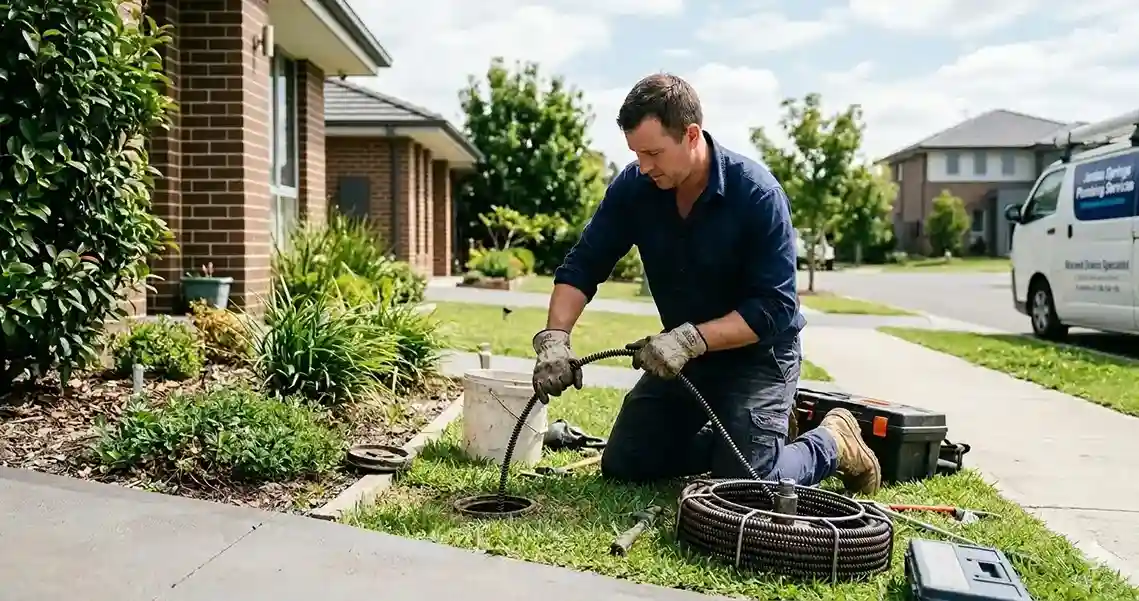
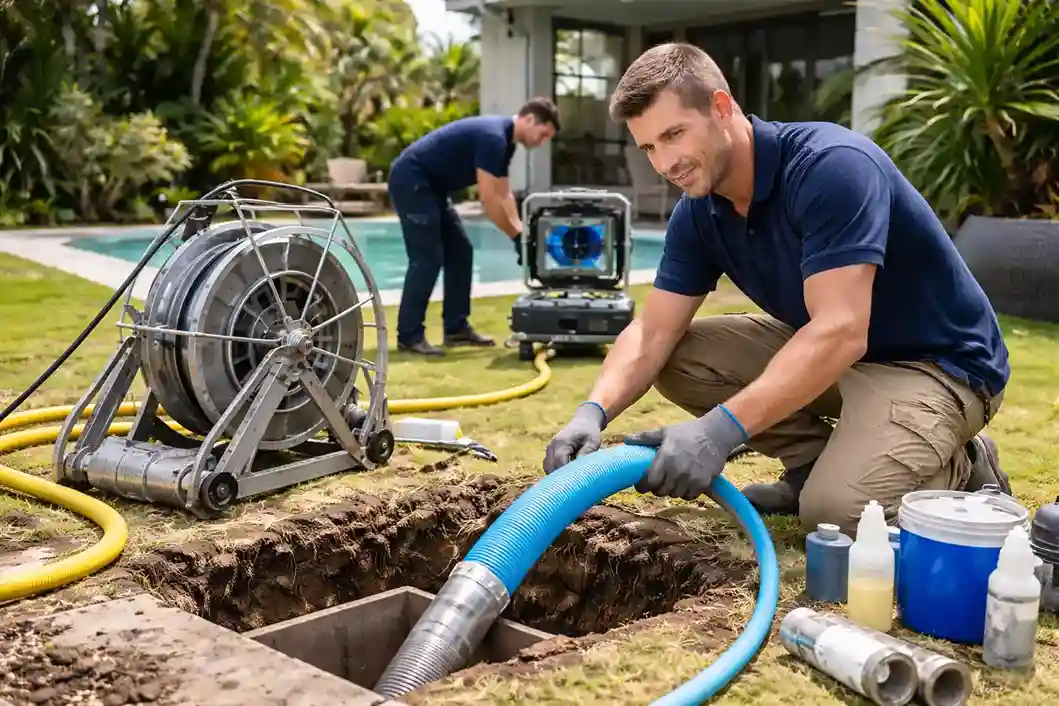
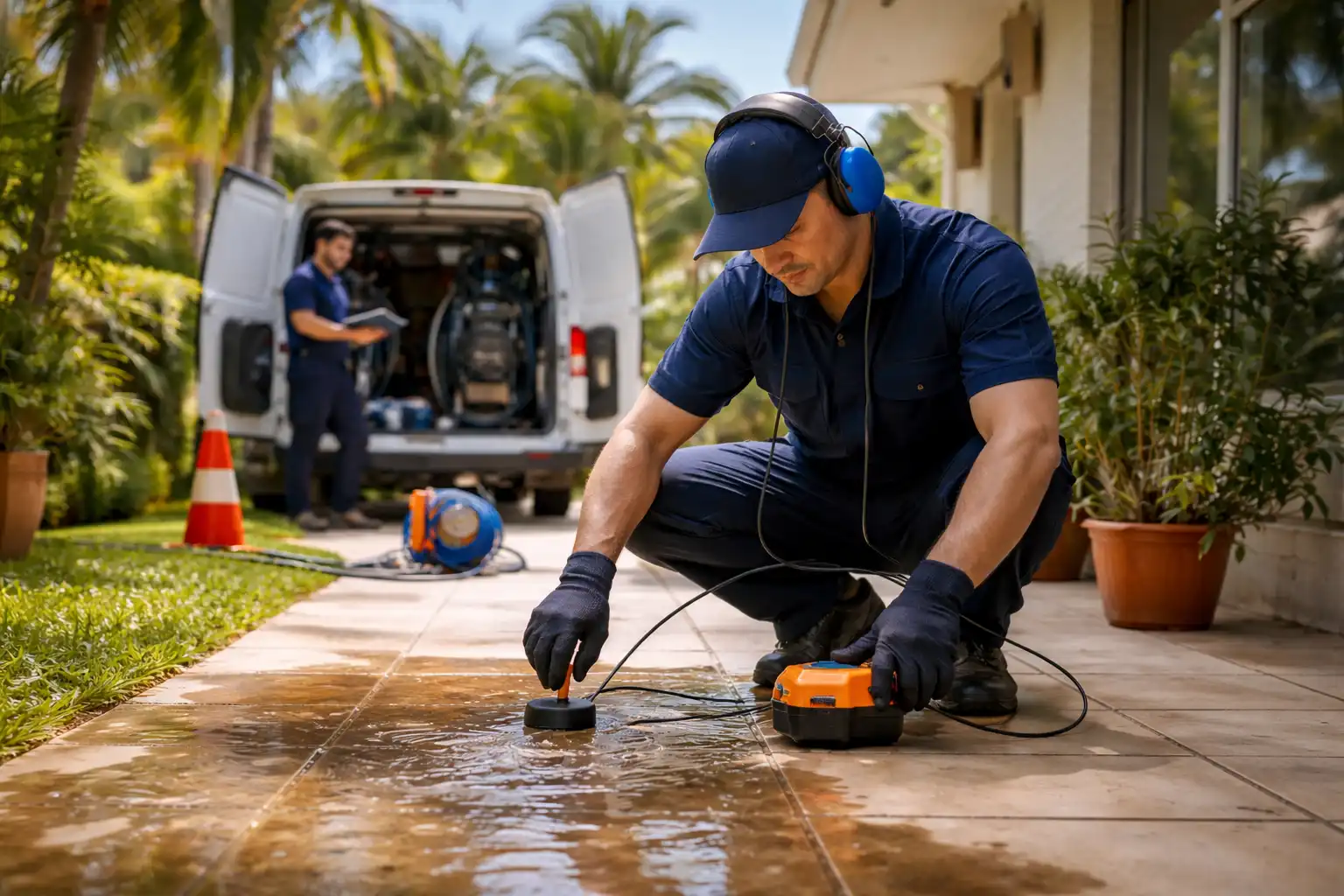
When the professionals arrive, they move quickly. Your plumber will first ensure the water is off, then often drain the line so they can inspect. They may use cameras to snake through pipes and pressure-test the system to pinpoint the crack. Tiny leaks or pinhole bursts get patched or relined, while bigger breaks mean cutting out the damaged section.
Your plumber might splice in a new pipe segment (or even pull a tough liner through the old pipe to seal cracks) to make the fix. Once the swap or seal is done, they snug in new fittings, restore water pressure slowly, and double-check for any drips. By the time they’re done, it’s like nothing ever happened – the only reminder might be a very happy water meter.
Preventative Measures for Burst Pipes
You might wonder: how can you stop this from happening in the first place? Some quick prevention tips can save you major headaches later:
- Watch Those Trees: Don’t plant large-rooted trees (like figs or oaks) right over your main lines. Roots grow and can crush pipes. If you already have a problem tree, ask a plumber about root barriers or carefully trimming roots.
- Calm the Pressure: If your water feels super strong or you hear banging when taps shut off, ask a plumber to check your pressure. Installing a pressure-reducing valve or water hammer arrestor can take the strain off your pipes.
- Keep It Clean: Avoid dumping grease, coffee grounds or flushable wipes down the drain. Regularly clean sink traps and use drain strainers to prevent clogs from building up pressure.
- Know Your Pipes: If your place is older, consider a pipe upgrade. Modern PVC or copper piping resists corrosion and should serve another lifetime. Replacing dated galvanised pipes can pre-empt future bursts.
That annoying drip you ignore? It’s your plumbing waving a white flag. Even a minor leak means something’s under strain – fix it today before it floods a floor tomorrow. Fixing a burst pipe can sound daunting, but with the right info (and a good plumber’s number) you’ve got this. You’ve now got the 411 on why those pipes might give up, and how the pros patch you up.
If in doubt, calling in a licensed expert early not only stops the immediate mess, it can even save you from huge water bills. (In fact, Gold Coast Council offers hidden leak concessions if certain criteria are met.) Stay ahead of leaks, treat your pipes with respect, and your home will stay drier than a Patagonian desert.
Frequently Asked Questions
What should I do immediately if I find a burst pipe?
First, shut off your main water valve to stop the flow. Then call a plumber ASAP. While you wait, you can apply a clamp, rubber patch, or even a towel and tape as a very temporary fix to slow the leak. Use towels or a wet vac to manage the flood, and avoid using electricity near water.
Can I fix a burst pipe myself?
You might be able to handle a very quick temporary patch, but real repairs need a professional. A plumber will properly cut out the bad section and fit the correct replacement or liner. These fixes require tools, proper materials, and skill to ensure the pipe seals up perfectly without leaks (plus they must meet plumbing codes).
Why did my pipe burst if it’s hot outside?
It’s rare, but possible that intense heat could expand metal pipes slightly. More often, though, a hot day simply hid a pre-existing weakness. The true culprits are usually long-term issues like corrosion, hidden clogs, or root intrusion that suddenly gave way, rather than the weather itself.
Is it expensive to fix a burst pipe?
Costs vary based on the damage and location, but catching a burst pipe quickly usually keeps the bill lower. Think of it this way: spending a few hundred dollars on a prompt repair is way better than thousands fixing water damage. In fact, Gold Coast Council may offer some relief if you meet their concealed leak criteria, and many insurers cover accidental water damage. Either way, acting fast and calling a qualified plumber will save you in the long run.