
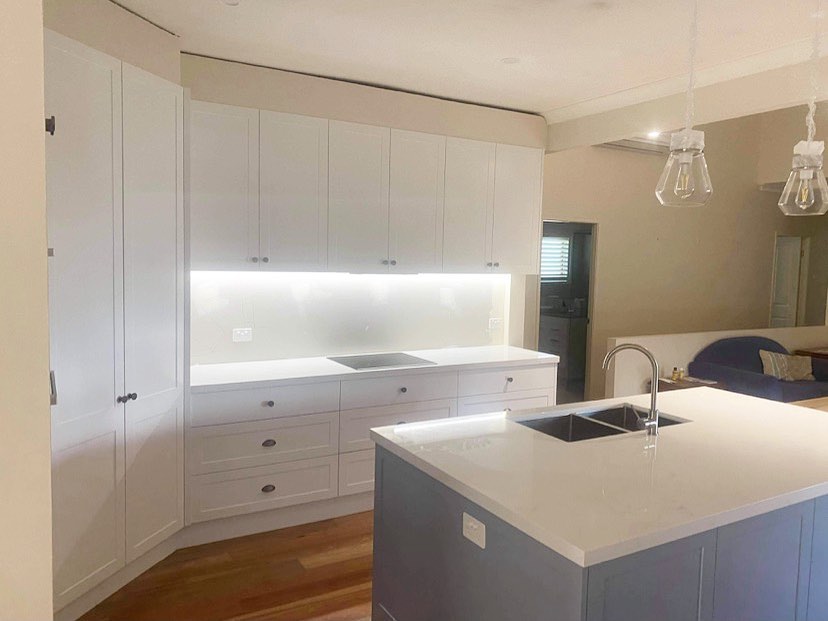
Picture this: It’s Monday morning on the Gold Coast, and just as you’re about to pour your flat white, water starts pooling under the sink or draining slower than a sleepy koala. A leaky or blocked kitchen sink can throw a spanner in the works of your day.
But don’t panic – you don’t need to be a master plumber to handle many common kitchen sink plumbing issues. In this guide, I’ll walk you through typical causes, easy DIY fixes, and when it’s time to call in a pro – all with a dash of wit and Gold Coast flair.
Common Kitchen Sink Plumbing Issues
In Gold Coast homes, the kitchen sink plumbing can go awry in a few predictable ways. Leaks and clogs are the top culprits. For example, as Brisbane-based plumbers note, under-sink leaks often stem from loose traps, damaged waste pipes, or failing mixer taps.
These issues are “especially common in busy kitchens, older vanities, [and] homes with ageing flexible hoses” around Brisbane and the Gold Coast. Likewise, clogs often happen when someone skips the sink strainer or pours grease down the drain – the result is a slow or completely blocked sink.
Gold Coast context: Our humid subtropical climate doesn’t directly cause leaks, but older Queensland homes may have worn plumbing. Plus, we’re all about seafood and BBQs – so cooking oils and food scraps can clog drains if you’re not careful. The Master Plumbers association even highlights that Water Leaking Under Sink in SE QLD is a frequent issue in busy or renovated kitchens.
Key problems include:
- Leaking taps or fittings: Worn washers or loose nuts let water escape. Jetset Plumbing lists “leaking taps, mixers or spouts” as a top kitchen sink plumbing headache.
- Blocked sink drains: Caused by food waste, grease, or a faulty disposal. Jetset also warns about “blocked sinks” and “blocked garbage disposal units” as common jobs.
- Faulty garbage disposal/insinkerator: Jams and odors from outdated disposals.
- Dripping flexi-hoses or burst pipes: Aging hoses under the sink can fail, especially with Queensland’s seasonal temperature swings.
Each of these can create a real smell and mess – but first, let’s try some DIY fixes before booking the next plumbing appointment.
DIY Fixes for Leaky Kitchen Sinks
First, check tap washers and connectors. Often a drip-drip is just a worn-out washer or a loose fitting. In Queensland, homeowners are allowed to replace a faucet washer or head themselves. First, check tap washers and connectors. Often a drip-drip is just a worn-out washer or a loose fitting. In Queensland, homeowners are allowed to replace a faucet washer or head themselves. You can review the Queensland Government’s plumbing laws to understand which plumbing jobs homeowners can legally perform and when a licensed plumber is required. For example, I once noticed a drip from my own kitchen tap; a quick trip to Bunnings for a new O-ring (and a mini margarita afterwards) solved it.For example, I once noticed a drip from my own kitchen tap; a quick trip to Bunnings for a new O-ring (and a mini margarita afterwards) solved it.
In fact, the QLD plumbing laws explicitly say you can do small fixes like changing a tap washer yourself – it’s one of the few plumbing jobs open to DIY. Use an adjustable wrench to tighten connections or replace old washers.
Step-by-step: Turn off the sink’s water valves (under the sink) first. Then use a wrench or pliers to snug any loose nuts on the drain trap or faucet lines. If the leak is from the tap, replace the rubber O-ring or washer inside the tap (this usually involves removing the tap handle).
QLD law even lists “replacing a jumper valve or washer in a tap” as permitted DIY. Remember to dry everything with a towel and re-check; even hairline drips can rot cabinetry or attract cockies over time.
Leaky P-trap? Sometimes the curved pipe under the sink (the “P-trap”) is loose or cracked. Tighten the slip nuts on either end of the trap. If that old plastic trap is cracked (often the culprit in older Queensland homes), replace it entirely. Always keep a bucket underneath when fiddling with pipes – trust me, unforeseen gushes can happen!
If your sink is constantly dripping from the tap body or a worn cartridge, it might be beyond a quick fix. In that case, it’s safest to call a licensed Gold Coast plumber. According to Queensland government advice, using a licensed plumber ensures compliance and safety. So while I love a bit of wrench-twirling, I also know when to dial the experts to avoid flooding the kitchen.
DIY Solutions for Blocked Kitchen Sinks
A blocked kitchen sink can be as dramatic as a midday soap opera. But before dialing a plumber, try these tried-and-true home remedies:
Boiling water flush: Sometimes a simple kettle full of boiled water is all it takes. Hot water can dissolve grease coatings and clear minor clogs. Pour the boiling water down the drain in stages – give each pour a moment to work its magic. Many DIY guides (like ATCO Energy’s blog) swear by this as the first step.
Baking soda and vinegar: This classic kitchen experiment can break up stubborn grime. Pour about a cup of baking soda down the drain, then follow with a cup of white vinegar. Brace yourself for the fizz – it’s like a mini volcano under your sink! Let it sit (about 15 minutes is plenty), then flush with hot water. ATCO notes that this bubbling combo is a safe, eco-friendly way to jolt loose sticky debris.
Salt and hot water: For a greasey buildup, try sprinkling coarse salt (about half a cup) down the drain, then flushing with boiling water. The salt acts as an abrasive scrub.
Plunger time: When all else fails, whip out the trusty plunger. Make sure the other sink basin (if you have a double sink) is blocked off with a wet rag or cover. Fill the clogged sink with enough water to cover the plunger cup, then plunge vigorously for 30 seconds or so. You should feel that satisfying suction as the clog breaks free. (Just wash those hands afterwards – plunger tasks are not glamorous!)
Check the garbage disposal (insinkerator): If you have a disposal, make sure that’s not the issue. A jammed disposal can mimic a full sink. Always unplug the unit first, then use the disposal’s hex key tool (usually supplied with the unit) to turn the flywheel from under the unit to clear jams. Fish out any stray glass or utensils with tongs or pliers (never your hand!).
Clean the P-trap: Many clogs hide in the P-trap’s bend. Place a bucket underneath, unscrew the plastic nuts, and remove the trap. You might be grossed out by the gunk – empty it into the bucket and rinse out the trap before reassembling. This often immediately frees a stubborn clog.
Use a plumber’s snake: If you have one, feed the snake (also called an auger) down through the trap or into the stub pipe. Rotate it to break up the clog and pull it out. Go slowly to avoid scratching your pipes.
Caution: Avoid chemical drain cleaners. As Jetset Plumbing warns, harsh chemicals can actually damage your pipes over time. “It’s safer to use a plunger or call a plumber to clear stubborn clogs”. These chemicals can also create noxious fumes (yuck!), so I prefer a natural approach or the good old plunger.
When to Call a Professional
Sometimes even my DIY guru instincts aren’t enough, especially if:
Leaks continue despite your fixes: If water is still appearing under the sink after you tightened and replaced washers, it’s time for a pro. In Queensland, major plumbing work must be done by a licensed plumber.
Multiple fixtures are affected: If both kitchen basins are backing up, or the drain is leaking from the ceiling below, it’s serious.
Water supply leaks: If fresh water (not just sink water) is dripping or pooling, shut off the isolation valves immediately. If you can’t shut it off easily, kill the main water supply and call a plumber right away. (The JR Gas & Water team emphasizes turning off valves under the sink as your first step when you see an active leak.)
Metallic clinking or unusual smells: These can indicate pipe collapse or sewage backups.
Remember, Queensland law stresses using licensed plumbers for safety and compliance. If you find yourself fumbling, it’s worth paying a Gold Coast plumber. They know local regulations – for example, Queensland’s plumbing codes cover every sink installation – and can give you peace of mind (and a timely coffee break for you).
If you call a plumber, expect them to diagnose: Are the leaks from the water supply side or the waste pipe? (A quick test: dry the area, run water, and see where drips appear.) A supply leak means pressurized pipes need fixing, while a waste leak usually involves the drain trap or seal. In any case, licensed Gold Coast plumbers can sort it fast. Jetset Plumbing (based in nearby Brisbane) even offers 24/7 emergency service with upfront pricing, and hundreds of 5-star reviews to back their work.
Maintaining Your Kitchen Sink
Prevention is better than emergency calls. Keep your kitchen sink plumbing humming with these habits:
Watch what you pour: Never dump cooking grease, oil, or coffee grounds down the drain. These solidify and trap debris. (A tip: keep a container or jar by the sink to collect oil – recycle or throw it out once it cools.) Even things like potato peels or large food scraps should go in the compost or bin, not the disposal.
Regular hot water flush: Once a week, boil a kettle of water and pour it down the sink. This helps melt away any grease build-up and discourages minor clogs before they start.
Monthly vinegar scrub: Every month or so, try the vinegar-and-baking-soda trick as maintenance. Pour a bit of baking soda followed by vinegar, let it fizz for 15 minutes, then rinse with hot water. It keeps the drain smelling fresh and clear.
Use a drain strainer: Install a mesh sink strainer to catch hair, large food bits, and grit. Empty the strainer daily. It’s a tiny habit that can save a big headache (and is eco-friendly to boot).
Service your disposal: If you have an insinkerator, run it regularly with plenty of water and avoid overloading it. Quarter the load, grind soft foods, and always use cold water to flush.
By adopting these easy steps, you’ll reduce the odds of sticky situations. Plus, you’ll earn bragging rights at your next Gold Coast BBQ for being a home-plumbing whiz!
Conclusion
A leaking or blocked kitchen sink needn’t ruin your day (or kitchen cabinetry). With a bit of elbow grease and the right tricks – boiling water, a trusty plunger, or swapping a faucet washer – many common kitchen sink plumbing problems can be solved quickly. Remember: minor fixes like replacing a tap washer are DIY-friendly in Queensland, but persistent leaks or complex jobs should go to a licensed plumber for safety.
Whether you’re tightening a slip nut or tipping baking soda into the drain, you’re in control of your kitchen’s flow. And if all else fails, the Gold Coast’s licensed plumbing pros are just a phone call away (often with no call-out fee).
Stay proactive with maintenance – avoid grease, flush hot water now and then, and test your traps – and you’ll keep your kitchen sink plumbing in top shape. Got a question or a kitchen sink war story? Drop a comment below!
If you’ve tried these tips or need expert help, share your experience or reach out a qualified Gold Coast plumber today to ensure your sink stays leak-free and smooth-flowing.
FAQs:
Why is my kitchen sink leaking?
Leaks usually come from loose seals or joints (like the P-trap) or worn faucet washers. Check trap fittings and faucet internals first – these often cause drips.
How do I fix a blocked kitchen sink?
Start with simple methods: pour boiling water, try a baking soda + vinegar rinse, then plunge the sink. If that fails, clean the P-trap or call a plumber.
Can I pour chemicals down the sink to clear a clog?
It’s better to avoid them. Harsh drain cleaners can damage pipes. Safer DIY fixes include plunging or using natural cleaners like baking soda and vinegar.
When should I call a plumber for sink issues?
If leaks persist after DIY fixes, or multiple drains back up, call a pro. Major plumbing work in Queensland must be done by a licensed plumber, so err on the safe side if you’re unsure.
How can I prevent sink clogs?
Avoid dumping grease, oil, or coffee grounds down the drain. Use a sink strainer for food bits and flush pipes periodically with hot water or a vinegar/baking-soda mix.