
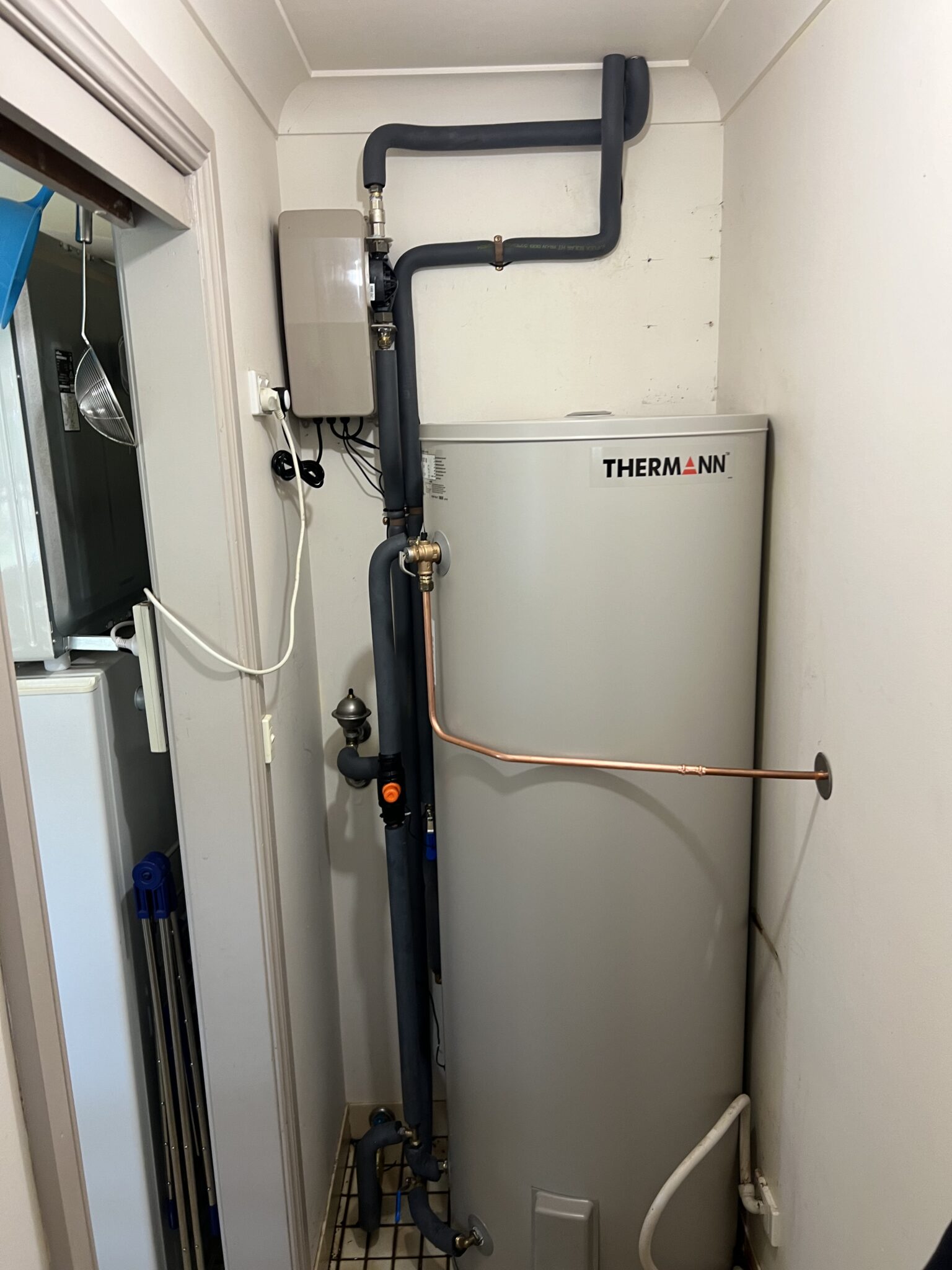
Running out of hot water can be inconvenient, especially during cooler mornings on the Gold Coast. In our warm Queensland homes, hot water heater installation is usually invisible… until it isn’t. Whether you’re replacing an old electric tank or fitting a shiny new solar system, getting it done right is crucial.
In this guide we’ll take you through every step of hot water heater installation in Gold Coast homes: from choosing the right system to the licensed-plumber drill-down and even simple hot water repairs. You’ll learn what’s required by law, how long it takes, and how to avoid nasty surprises (like voiding your home insurance or scalding water). This guide explains the installation process and key considerations in detail.
Why Proper Installation Matters
Hot water heater installation involves multiple technical requirements beyond simply connecting the unit But it’s actually more like plumbing plus electrical plus gas safety combined. Failing to follow installation requirements or using an unqualified installer can lead to safety, legal, and performance issues. (Instead of a licensed expert) can lead to legal headaches, leaking tanks, or worst-case scalds. On the Gold Coast, all hot water installs must be done by licensed plumbers or gas fitters.
In Queensland, “you cannot install a hot water heater yourself. A licensed professional must install all hot water systems and submit the required Form 4 to the QBCC.” DIY is simply illegal here.
Why so serious? Well, water is tricky: hot water systems involve water plumbing, electricity, gas (sometimes), and safety valves all at once. A mistake might cause a gas leak, an electrical fault, or even encourage Legionella bacteria (if the water doesn’t get hot enough).
For example, all new storage heaters must heat water to at least 60°C, but deliver it at ≤50°C at the tap. Getting the tempering valve and pipes right is essential. Licensed plumbers know these rules inside out. They’ll ensure compliance with Queensland’s regulations (and keep your home insurance happy).
Imagine this: a friend hired “Steve from Facebook” to install his hot water, and the tank was only delivering 70°C water straight from the heater – no tempering valve. He got badly scalded from a burst kitchen tap! Situations like that underscore why Hot Water Heater Installation must be done properly. In short, a pro installation means safety, efficiency, and legally valid work.
Hot Water System Types (and Which Suits the Gold Coast)
First, let’s pick your weapon: there are several hot water system types. The Gold Coast’s sunny, humid subtropical climate influences what works best here. Below is a quick overview of the main types, their pros/cons, and how they fit our region:
|
System Type |
Energy Source | Installation Cost | Running Cost | Approx. Lifespan | Notes for Gold Coast |
|
Electric Storage |
Electricity (240V) | Low | High (no gas, high power use) | 8–12 years | Cheapest to buy and install. Most straightforward to install. Usually outdoors, must fit a tempering valve and PRV. Good if you lack gas. |
|
Gas (Storage/Instant) |
Natural Gas or LPG |
Medium–High |
Medium (gas is cheaper than electricity) |
8–12 years |
Heaters usually sit outside (venting needed). Continuous-flow (instant gas) is popular. Requires gas-fitting licence to install. Generally faster heating and lower bills if gas-available. |
|
Solar |
Sunlight (electric booster) |
High |
Very Low (after install) |
15–20 years |
Solar panels or tubes heat a tank. Great for sunny Gold Coast! May need an electric/gas booster on cloudy days. Installation cost is high, but rebates (STCs) can offset. Endorsement needed for plumbers. |
|
Heat Pump |
Ambient air (electric backup) |
High |
Low |
15–20 years |
Very efficient – uses ~30% of the energy of a normal electric heater. Works well in mild climate. Noisy compressor (like an A/C). Installation cost is high; requires licensed installer with endorsement. |
| Electric Instant (Tankless) | Electricity | Medium | Very High (large power draw) | ~10–12 yrs (no tank to leak) |
Heats water on-demand; no tank losses but huge immediate power use. Often used in small spaces. Requires high-current wiring. |
Table: Common hot water system types compared. (Electric storage is most common, but solar and heat pumps are popular on the sunny Gold Coast.)
Notice how an electric storage tank is cheap to install and common (about 50% of Aussie homes use it), but can be expensive to run unless you have solar panels on your roof. Gas heaters cost more upfront (and need outdoor venting) but usually have lower fuel bills. Solar and heat-pump systems cost the most to install, but they cut your running bills drastically and fit our sunny Gold Coast lifestyle.
Gold Coast tip: Many GC homes install units outdoors (weather-permitting). Our subtropical climate means outdoor tanks are fine, but pipes need UV-protected insulation. In apartment buildings, things can be different (often electric or shared systems). Always check your space: roof or ground? Enough sunlight? Gas connection nearby? These considerations will help choose the right system for your home.
The Installation Process (Step-by-Step)
Let’s walk through a typical hot water heater installation job, as if we’re tagging along with the plumber. Whether it’s swapping a dead old tank or fitting a new style, the core process is similar. Here’s the usual sequence:
Site Inspection & Planning. The plumber inspects the location – measuring space, noting how the old system was plumbed, checking gas lines/electrical if needed. This ensures the new unit will fit and meet code. They’ll also confirm what permits are needed (for example, switching from electric to gas is a permit job).
Shut Off & Drain. They shut off water (and gas/electric supply) to the old heater, then drain the tank fully. (Electricians or licensed plumbers with electrical endorsements will disconnect power.) This step prevents spillovers and is the first “hot water removal” action.
Remove the Old System. Next, all pipework and fittings from the old unit are loosened. The plumber carefully detaches the water lines and removes the old tank or instantaneous unit. (This might require two people if it’s heavy!) They’ll clean up any rust or sediment residue, maybe even show you the culprit (rusty anode or corroded base) that prompted the replacement.
Position the New Unit. The new hot water heater is placed. For storage tanks, it must be on a stable, level platform (often a concrete pad). Gas units are placed with adequate clearances from walls and roofs. In Gold Coast homes, many tanks go on verandahs or ground level to avoid hot attic spaces. The plumber levels it and secures it properly (brackets or stands).
Plumbing Connections. The plumber connects cold water inlet and hot water outlet pipes. All joints are tightened and leak-tested. Importantly, safety valves are installed: a Temperature & Pressure Relief (TPR) valve and a Tempering valve.
The TPR valve vents if pressure/temperature get too high, and the tempering valve mixes in cold water to ensure tap water stays at ≤50°C (mandatory on new installs). This step is critical – even small leaks here can turn into big problems.
Gas/Electrical Hook-Up. Next comes the energy hookup. If it’s an electric system, a plumber with a restricted electrical licence or a licensed electrician will wire the unit to the 240V power. Gas units require a licensed gasfitter: they connect the gas line and ensure proper venting/flues. (Remember, installing a gas hot water heater without the proper license is illegal in QLD.) If solar panels or heat pump compressors are involved, additional electrical fittings are done as needed.
Testing & Commissioning. With everything hooked up, they fill the tank and power on the system. The plumber checks for leaks and ensures the burner/heating element works. They’ll also test the TPR valve and tempering valve, adjusting settings if needed.
Finally, water is heated to 60°C or more, then confirmed to deliver ≤50°C at taps. Only when all is safe and working does the installer consider the job done.
Compliance & Paperwork. In Queensland, almost any hot water system replacement is “notifiable work.” This means the plumber must lodge a Form 4 (or 4A) with the QBCC to log the installation. If it was a major change (like adding a new gas line) it might need a Form 1 permit beforehand.
The homeowner doesn’t do this; the licensed plumber handles it. You do get handed a Certificate of Compliance (for gas/electric work) at the end – keep this with your documents for insurance/warranty purposes.
So in practice, a straightforward like-for-like installation (e.g. replacing one electric tank with another) usually takes just 2–4 hours. If you’re switching system types (like going from electric to gas) or installing a solar/heat pump setup, it can take a full day or more. At the finish, you should have clean pipework, a properly sized tank or unit installed, and “Hot” temperature on demand – no shivering required.
Safety & Compliance – The Rules You Can’t Ignore
Let’s get this straight: in Queensland (and everywhere in Australia), only qualified tradespeople can touch hot water systems. A licensed plumber (and for gas work, a licensed gasfitter) must perform the installation.
Drain Defenders, a plumbing team, put it bluntly: “Hiring a licensed plumber to install your hot water heater is important. Plumbers are trained to handle [complex] tasks and understand the importance of proper venting and drainage to prevent water damage… They can deliver hot water efficiently and safely throughout your home.” This is exactly why we rely on pros.
Here’s the compliance gist on the Gold Coast:
Licensed Trades Only: No handing the job to “the kid next door” even if he used to work for a plumber. Only plumbers/drainers with a plumbing license (and gas fitters for gas hot water) can legally do the work. Using an unlicensed worker can void warranties, insurance, and even lead to fines. Up to 40% of DIY or unlicensed installs fail compliance audits – so don’t take that risk.
Notifiable Work: Replacing a hot water system in an existing house is usually “notifiable work.” The plumber must lodge Form 4 with QBCC after completion. Homeowners can check the Queensland Building and Construction Commission’s guidelines on what is considered notifiable work to understand which plumbing activities require registration and compliance reporting. If you’re adding something bigger – like installing a gas line for the first time or building a new house with a hot water system – it may be “permit work” requiring a Form 1 before you start. Again, the plumber will handle this paperwork.
Special Endorsements: Solar and heat pump systems carry their own license requirements. In QLD, a plumber needs an additional QBCC endorsement to install/maintain solar or heat pump hot water. Don’t be shy: always ask your plumber if they have the right qualifications for the system you choose. (Our local plumbers often hold both plumbing and gas licences to cover all bases.)
Certificates & Warranties: When done, the licensed installer gives you a Certificate of Compliance for any gas/electric work. Keep this! It’s proof the job was done to code, and manufacturers or insurers may ask for it down the line (for warranty or resale).
By following these rules, your hot water heater installation isn’t just safer – it’s legally bulletproof. It also means you get that hot shower without a worry. A plumbers’ process summary says it well: “licensed technicians install your new hot water system safely, efficiently, and in line with industry standards,” then thoroughly test it for reliable operation. That’s the goal!
Common Hot Water Repairs & Maintenance
So far we’ve covered installing a new system. But what about leaks and repairs – the other side of keeping hot water flowing? Here are some quick tips on diagnosing and fixing the usual hot water dramas (because not all issues require a full replacement):
Drips at the Fittings: If you notice water pooling or dripping around the inlet/outlet pipes, it’s often just a loose valve or a worn gasket. A plumber can usually tighten the fitting or replace a seal. This isn’t catastrophic – just call a pro to nip it in the bud.
Leaking Tempering or TPR Valves: The tempering valve (mixing valve) or the TPR valve can sometimes leak (they’re safety devices). If it’s just a drip from a valve, it often needs replacing. Attempting DIY here is risky; it’s better to have your plumber replace the valve and reset the water pressure properly.
Corrosion / Tank Leaks: If the water coming from taps is rusty, or you see moisture at the base of the tank, the internal lining is rotting. The sacrificial anode rod (a metal rod designed to corrode instead of the tank) might be eaten up.
Sometimes simply replacing the anode can save the day. But if the tank itself has cracks or pervasive rust (often after 10+ years), it’s time for a full replacement. According to plumbers: “If significantly corroded, [the anode] may no longer protect the tank and can lead to leaks.”
Noisy Tank: Popping or rumbling noises usually mean sediment is building up in the bottom of the tank, causing the water to overheat and boil under the sediment layer. Flushing the tank yearly can help, but if noises persist it may mean the heating element/burner is stressed. A professional flush or inspection is advised.
Hot Water Leak Repair: For minor leaks, a licensed plumber can often replace faulty parts (valves, anodes, heaters) to extend the life of your current system. But if the tank is bursting, replacement is the only safe fix.
BestPlumbers.com.au notes: “Hot water system leaks from fittings and pipes can be repaired… but a crack [in the tank] is fatal”. In any case, stop using a leaking heater immediately – flush it and call help.
Even in emergency repairs, a plumbing pro will ensure safety. For instance, before any work, utilities are shut off and the tank is drained. It’s not a DIY patch-fix job: “For your safety and compliance you should always call on an expert for gas or electric hot water system replacement.”.
In summary, keep an eye on your system. Regular servicing and quick attention to leaks will save you from icy showers or busted mats. And remember, if in doubt about a “hot water leak repair”, it’s better to get a plumber than flood your laundry or void safety precautions.
Conclusion
Installing or replacing a hot water heater on the Gold Coast requires careful planning, compliance with Queensland regulations, and the selection of a suitable system for your property’s needs.
This guide has explained the importance of licensed installation, outlined the key stages of the installation process, and compared the available hot water system types, including electric, gas, solar, and heat pump models. Understanding these factors can help homeowners make informed decisions while supporting safe, efficient, and compliant hot water system operation.
A properly installed hot water system is designed to provide a safe and reliable supply of hot water while meeting applicable regulatory requirements. Because hot water system installation involves plumbing, electrical, and, in some cases, gas work, Queensland regulations require the work to be completed by appropriately licensed professionals.
By understanding the installation process, system options, safety requirements, and maintenance considerations, homeowners can make informed decisions when installing or replacing a hot water heater. Following Queensland’s licensing and compliance requirements helps support safe operation, reliable performance, and long-term efficiency throughout the life of the system. Upgrade Your Hot Water System with Confidence Get expert advice on the right system, installation requirements, and long-term efficiency.
FAQs
Can I install a hot water heater myself?
No. In Queensland, all hot water heater installations must be done by a licensed plumber (and gas fitter if needed). It’s regulated notifiable work, and improper DIY installs can void insurance or warranties.
How long does hot water heater installation take?
A straightforward replacement usually takes a few hours. Most like-for-like installs wrap up in about 2–4 hours. If you’re adding gas lines or switching system types, it could take longer (often a full day).
What is a tempering valve and do I need one?
A tempering (mixing) valve blends cold water into the hot water so that taps never exceed ~50°C. It prevents scalding. In QLD, all new storage heaters must have a tempering valve installed.
Why is my hot water leaking?
Leaks often come from loose fittings, worn valves or a corroded tank. Minor leaks (pipes, valves) can be fixed by tightening or replacing the part. However, if the tank itself is leaking (rust or cracks), the entire heater usually needs replacement.
What type of hot water system is best on the Gold Coast?
It depends on your home. Electric storage is common and cheap to buy; gas heaters heat faster and cost less to run if you have gas; solar and heat pumps suit our sunny climate and lower bills but cost more upfront. Consider energy prices, space, and sunlight when choosing.