
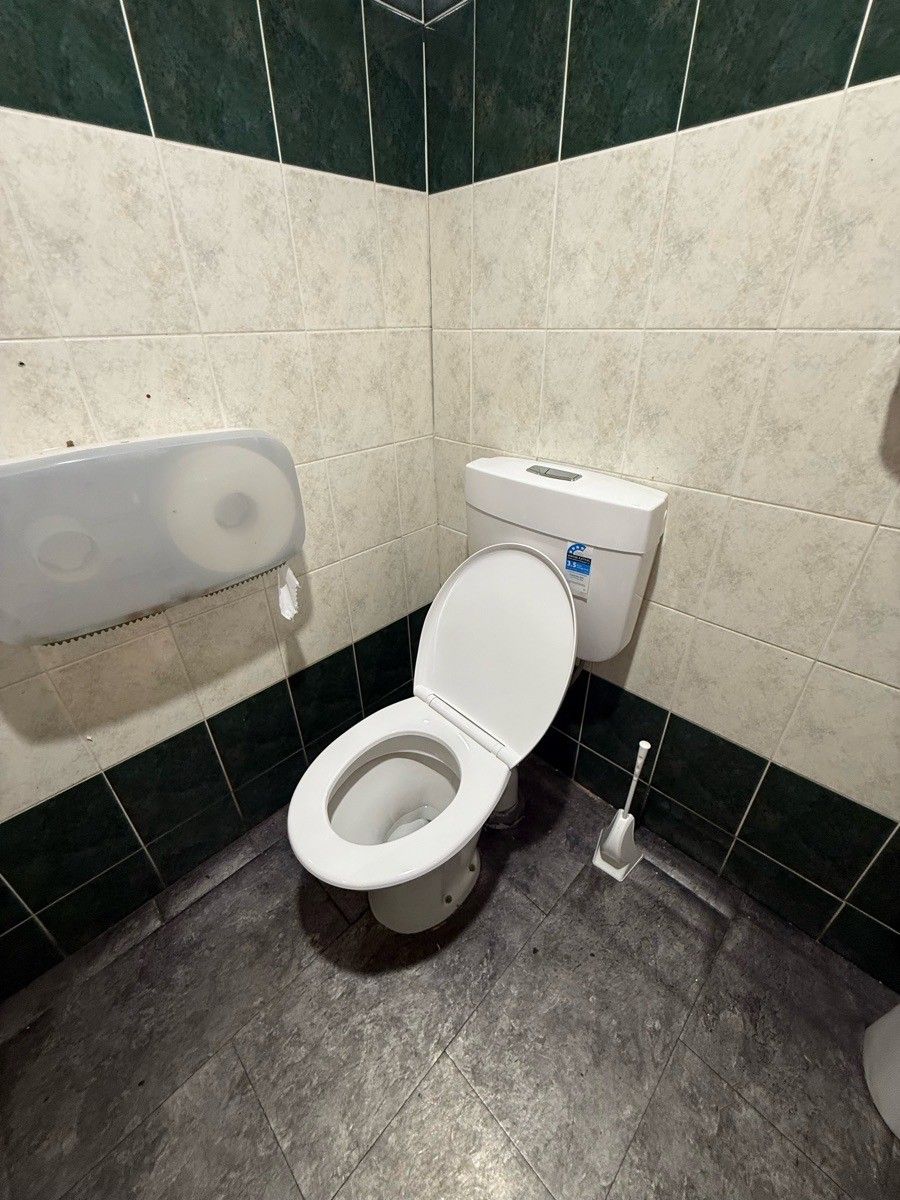
A bathroom renovation often starts with excitement and finishes with relief, yet the middle stage is where expensive decisions quietly take shape. Years spent around renovation sites suggest the opposite. A successful Toilet Installation is rarely about placing a new pan onto the floor.
Most plumbing businesses have walked into homes where the owner believes the toilet suddenly failed. After removing the fixture, the real story often appears. Rotten flooring, failed seals, previous shortcut repairs, or makeshift silicone patches are surprisingly common, proving that a professional Toilet Installation requires addressing loose pipe connections and hidden structural damage first.
Many homeowners understandably focus on keeping renovation costs under control. That approach makes sense until essential plumbing preparation becomes the first item removed from the budget. Saving a few hundred dollars during a Toilet Installation can eventually produce repair bills worth several thousand when underlying infrastructure is ignored.
Why Hidden Bathroom Defects Matter Before Installation Starts
The biggest surprise on many projects appears before the new toilet even leaves its packaging. Removing an older fixture often reveals movement in the flooring, corrosion around the waste outlet, cracked mounting points, or water staining that nobody noticed because everything remained hidden beneath the pan.
One renovation involved a bathroom that appeared almost new. Fresh paint, modern vanity, and attractive floor tiles suggested previous work had been completed professionally. Once the fixture was removed to prep for a new Toilet Installation, however, timber around the waste pipe crumbled under light pressure due to a slow leak that had existed for years.
There is sometimes pressure to leave minor issues alone because they are not visible after completion. That thinking rarely works in plumbing. Water does not recognise cosmetic improvements; it follows the easiest path of least resistance, gradually damaging flooring, adhesives, and cabinetry. Taking shortcuts during a Toilet Installation only invites these hidden leaks to slowly destroy your nearby walls and subflooring over time.
Toilet Installation Mistakes That Become Expensive Repairs Later
A rushed Toilet Installation usually looks perfectly acceptable from eye level. The toilet flushes, the cistern fills, and everything appears complete. The difference between average workmanship and careful workmanship often becomes noticeable only after months of regular use.
One common mistake involves assuming every floor is perfectly level. Even slight variations place uneven pressure on the base. Over time, the pan shifts fractionally, stressing mounting bolts and sealing surfaces. Upholding plumbing installation standards during a Toilet Installation prevents this movement, ensuring you won’t face leaks around the base later.
Another issue involves relying heavily on silicone to hide gaps or compensate for uneven surfaces. Silicone certainly has its place, but it should never replace proper preparation. A neat bead around the base might improve appearance, yet it cannot solve poor alignment, damaged flanges, or structural movement beneath the floor during a Toilet Installation.
Hidden Costs of Poor Toilet Installation
A poor Toilet Installation can result in:
- Floor replacement
- Waterproofing repairs
- Wall damage
- Mould removal
- Higher water bills
- Structural repairs
- Emergency plumber call-outs
Repairing water damage generally costs several times more than investing in professional installation from the beginning.
Choosing Materials Instead Of Simply Chasing Lower Costs First
Price naturally influences renovation decisions, although the cheapest components rarely provide the lowest ownership cost. Isolation valves, flexible connectors, pan connectors, mounting hardware, and seals often receive little attention because they are hidden after installation.
Several repairs have involved premium toilets connected using ageing fittings that should have been replaced during installation. The expensive fixture performed perfectly while an old valve failed months later, causing unnecessary water damage. Replacing those fittings during the initial Toilet Installation would have represented only a small percentage of the overall project cost, yet delaying the work multiplied the eventual expense.
Not every premium product automatically offers better value either. Some imported fixtures require specialised replacement parts that become difficult to source locally. Opting for a standard Australian Toilet Installation may not appear as impressive in a showroom, although easier maintenance and readily available components often prove more valuable than unusual styling once the bathroom enters everyday service.
Practical Decisions Around Toilet Installation Service Selection
Selecting a reliable Toilet Installation Service involves more than comparing quotations. Labour prices vary because different businesses include different levels of preparation, testing, warranty support, and problem-solving. Two estimates may appear similar until unexpected complications arise during the work.
An installer who has completed hundreds of bathroom renovations develops habits that rarely appear in written checklists. Looking closely at floor movement, testing shut-off valves before removal, inspecting drainage alignment, and checking surrounding waterproofing become second nature. These observations take only minutes but often prevent hours of corrective work later.
There is understandable temptation to accept the cheapest offer during renovations because budgets already feel stretched. Yet experienced property owners often judge quotations differently. They ask what happens if hidden damage appears during a Toilet Installation, whether replacement fittings are included, and how workmanship issues are handled after completion.
Warning Signs That Toilet Installation Has Gone Wrong
|
Warning Sign |
Possible Cause |
Risk Level |
|
Water around base |
Failed seal | High |
|
Toilet rocks |
Loose mounting | High |
|
Bad odour |
Pan seal leak |
High |
| Weak flushing | Incorrect installation |
Medium |
| Constant running water | Valve issue |
Medium |
| Damp flooring | Hidden leak |
High |
Why Toilet Installation Gold Coast Projects Need Local Knowledge
Bathrooms along the coast experience conditions that differ from many inland regions. Humidity, salt air, seasonal storms, and varying soil movement all influence plumbing systems over time. Local experience helps identify recurring issues that may not concern installers working elsewhere.
Older coastal homes were built across completely different eras of plumbing codes. Pop a plaster sheet off or lift an old pan during a reno, and you’re highly likely to find bizarre clay pipe bends, non-standard floor wastes, or dodgy weekend DIY jobs from the 1980s. Assuming your house has a standard, modern layout is a surefire way to blow out your project timeline.
Top-tier specialists in Toilet Installation Gold Coast-wide know exactly which brassware and plastics survive the local climate. High-grade corrosion resistance, salt-tolerant inlet valves, and heavy-duty silicone seals are absolutely non-negotiable if you live anywhere near the surf. These choices don’t alter the look, but they determine if your hardware lasts two years or twenty.
Understanding Operational Costs Beyond Initial Installation Quotes
The true cost of a bad bathroom build doesn’t hit until the builders leave. Sloppy installation habits lead to an endless stream of weekend emergency plumber call-outs, soggy skirting boards, insurance claim denials, and non-stop complaints from tenants. People ignore these ticking time bombs during the quote stage because the pain hits two years down the road.
Rental properties illustrate this particularly well. A toilet requiring several service visits over two years becomes significantly more expensive than one installed the first time correctly. Scheduling trades, coordinating tenant access, and managing complaints all consume time alongside direct repair costs. Reliable installation quietly reduces those ongoing operational demands.
Insurance sometimes adds another layer of complexity. Gradual water damage caused by defective workmanship may receive different treatment than sudden accidental failures. Property owners occasionally discover this distinction only after lodging a claim. Preventing slow leaks remains considerably easier than resolving disagreements about responsibility once substantial damage has already occurred.
Real Toilet Repair Calls Reveal Patterns Worth Recognising Early
Many toilet repair appointments begin with relatively minor complaints. A slight wobble, occasional smell, or small amount of moisture near the base does not always seem urgent. Yet those subtle symptoms often indicate larger problems developing beneath the visible surface. Delaying inspection simply allows moisture more time to damage surrounding materials.
A classic mistake is constantly swapping out the internal cistern washers because the toilet keeps running, without realizing the actual pan is rocking on the tiles. Slapping in a new valve is just a temporary fix if the base shifts every time someone sits down. Until you anchor the porcelain properly, that seal is going to keep tearing.
Not every repair requires replacing the entire toilet. Worn valves, seals, or connectors can often be renewed successfully if the installation remains structurally sound. The challenge lies in recognising whether the issue relates to normal wear or installation deficiencies. Accurate diagnosis saves unnecessary replacement costs while preventing repeat call-outs.
Long-Term Thinking Usually Delivers Better Bathroom Performance
A bathroom is a single interconnected machine, not just a random collection of pretty tiles and shiny tapware. The flooring, waterproofing membrane, waste drops, extraction fans, and water lines all talk to each other. If you spend all your cash on the top-tier tiles but skimp on the infrastructure behind the wall, you’re going to end up disappointed very quickly.
Most tradies roll their eyes at flashy design blogs that tell you to chase the latest Pinterest trend. They know you need to think about how hard it is to clean behind a weirdly shaped pan, whether you can buy replacement inlet valves at the local hardware store in five years, and how easy it is to service.
A killer bathroom renovation isn’t about making one massive, dramatic design choice; it’s about making fifty sensible, boring decisions in a row. Solid waterproofing prep, a realistic budget buffer, sharp trade skills, and sweating the hidden pipework create a bathroom that just works perfectly for a decade without throwing a tantrum. Nobody compliments a toilet that drains perfectly, but that’s the exact reliability you actually care about.
Conclusion
A rock-solid Toilet Installation is way more than just the final cosmetic touch of a bathroom makeover. It’s what actually protects your waterproofing, your flooring, and your home’s value for years.
Cutting tiny corners during the install is a recipe for silent leaks, endless mold behind the drywall, and massive structural rot that you won’t even notice until your floor starts sagging.
Whether replacing an ageing toilet, renovating an existing bathroom, or fitting a new suite in a recently built home, choosing experienced professionals delivers lasting peace of mind.
A trusted Toilet Installation Service understands the unique plumbing challenges found across the Gold Coast and ensures every installation is completed with precision, compliance, and attention to detail. Get in touch today to discuss your bathroom project and arrange a professional inspection.
Frequently Asked Questions
1. How long should a standard Toilet Installation normally take?
A standard swap usually only takes a couple of hours, but things can blow out quickly if you uncover rotted flooring, hidden pipe blockages, or incompatible old connections. Older character homes almost always need a bit of extra prep work and tweaking before the new pan can be safely bolted down and pressure-tested.
2. Is replacing an old toilet always better than arranging a repair?
Not at all. If you’ve got a good-quality pan with worn-out insides, you can usually get away with just swapping out the rubber seals or the inlet valve. But if the porcelain itself is hair-line cracked, it keeps weeping around the base, or it uses a massive amount of water per flush, replacing the whole thing is definitely the smarter move long-term.
3. Why does a newly fitted toilet sometimes leak after installation?
When a toilet leaks, it’s almost never a crack in the actual porcelain bowl—it’s usually a botched wax seal, a wonky floor, a rusted brass flange, or the pan shifting slightly when you sit down. Jumping on it quickly stops that dirty water from quietly soaking into your subfloor and rotting out the frame of your bathroom walls.
4. Does paying more for installation always guarantee better results?
A premium price tag doesn’t automatically mean a flawless job, but a seasoned pro will invest the extra time into inspecting the hidden pipework, stress-testing the seals, and leveling out a dodgy floor before bolting down the new pan. That thorough prep work is what slashes your ongoing maintenance bills.
5. How often should a toilet be inspected after installation?
Spending two minutes doing a quick health check every few months is all it takes to catch moisture, a slight wobble in the base, a weirdly slow flush, or a drop in performance. Catching those tiny warnings early stops a simple gasket issue from rotting out your subfloor and ruining your downstairs ceilings.