
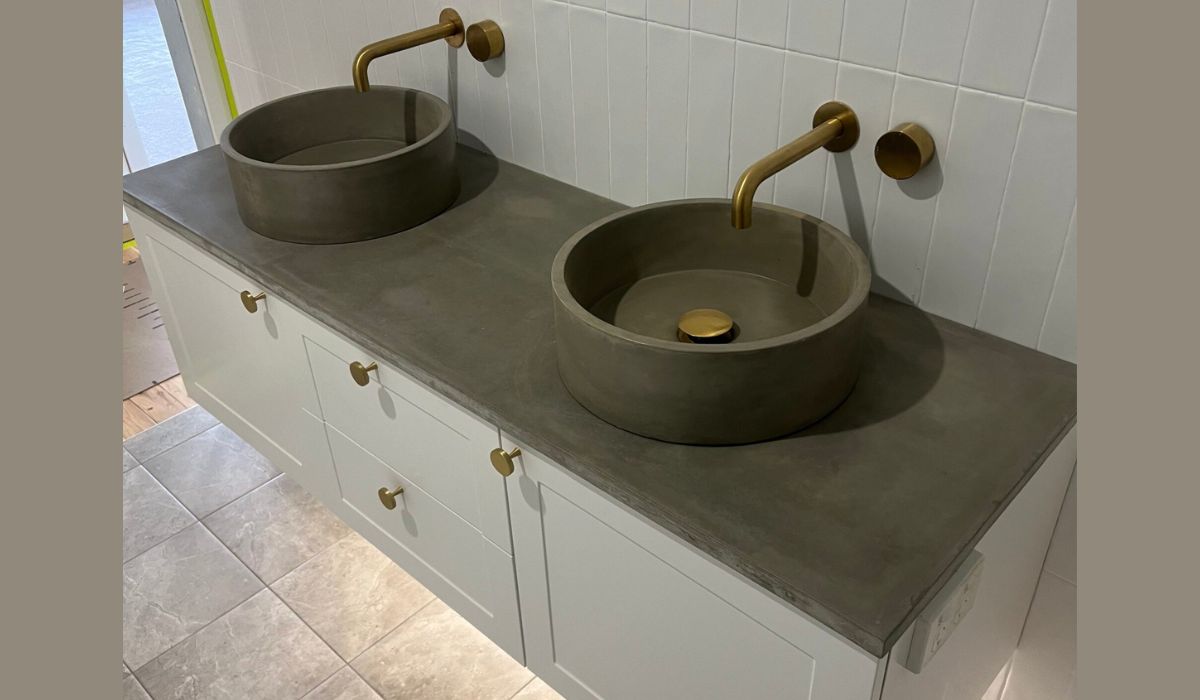
A rusty sink faucet can make a clean kitchen or bathroom look tired fast. One day it shines. The next day you notice orange spots, pitting, flaky metal or that slightly grimy look that seems to say, “I have seen better weekends.”
I see sink faucet rust as one of those problems that starts small but grows teeth if you ignore it. If you catch it early, you can often clean it, protect it and keep the tap working well. Leave it too long, and you may end up with leaks, staining, reduced water flow or a tap that looks like it survived a weather war.
If the problem has already spread or the tap feels beyond a quick tidy-up, you can always plumber for Sink Faucets repair in gold coast and get proper help before the corrosion turns a small fix into a bigger plumbing headache.
Why sink faucets rust and corrode
Rust usually shows up when moisture, metal and air spend too much time together. That sounds romantic until it happens to your tap. In real life, the finish starts breaking down, tiny chips appear, and corrosion begins to spread across the surface.
Gold Coast homes often deal with humidity, coastal air and constant use, so taps can wear faster than people expect. Soap residue, toothpaste, hard water minerals and old cleaning habits can also speed things up. If your faucet has scratched chrome, worn plating or poor-quality parts, corrosion can take hold even faster.
I also find that people often miss the early signs because the faucet still “works.” That is the sneaky part. A tap can still run water while the finish quietly degrades underneath.
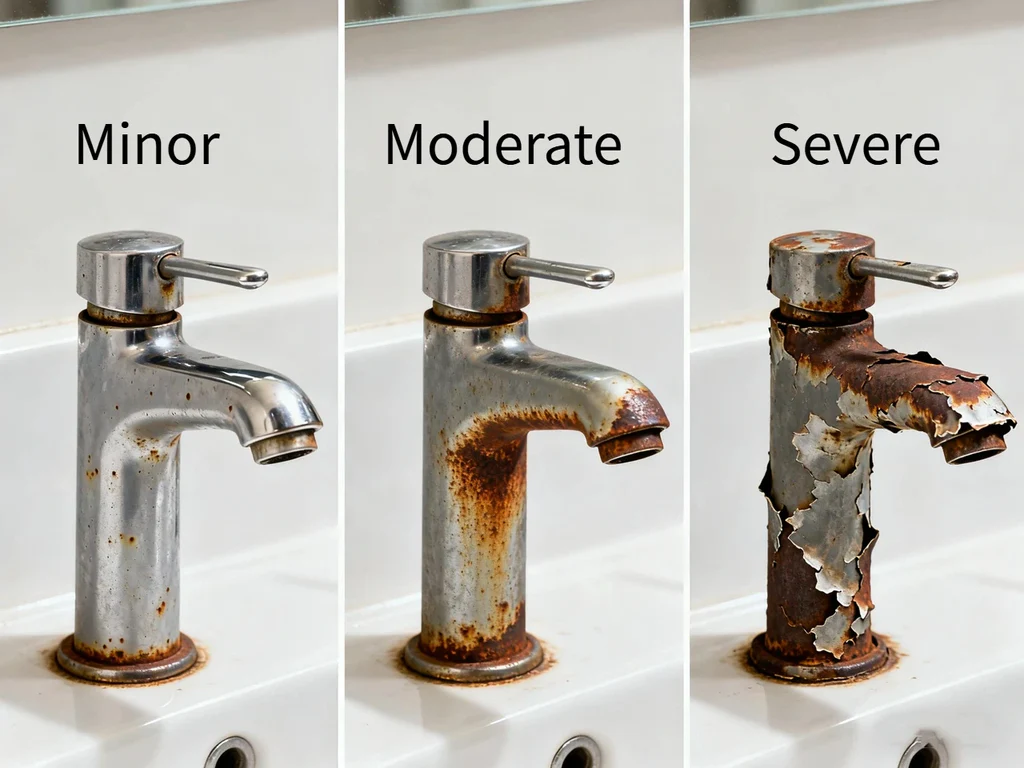
Is it rust, mineral build-up or something deeper?
Before you grab a scrub pad, it helps to know what you are actually looking at. Not every brown or orange mark means the faucet is falling apart.
Here is the simple split:
| Problem | What it usually looks like | What it may mean |
| Surface rust | Small orange spots or flakes on the outside | The finish has started to fail |
| Mineral build-up | White, chalky, crusty deposits | Hard water residue or soap scum |
| Deeper corrosion | Pitting, peeling, rough patches | Metal damage under the finish |
| Water staining | Brown marks around the base or sink | Water has been sitting too long |
If your water itself looks orange or rusty brown for a short time after turning on the tap, that can point to corrosion in internal plumbing rather than just the faucet surface. The Logan City Council notes that rusty brown water that clears after a few minutes may indicate corrosion in household plumbing, and a licensed plumber can help inspect it if the issue continues.
That difference matters. Surface rust usually gives you a cleaning job. Deeper corrosion may need parts replaced.
How I would fix rust on a sink faucet step by step
If the rust looks light and the faucet still feels solid, I would start with a careful clean. No drama, no heavy tools, just a steady approach.
- Turn off the water if you need to remove parts or work closely around the tap.
- Dry the faucet completely with a cloth.
- Mix a gentle cleaner, such as mild dish soap and warm water, or use a non-abrasive bathroom cleaner.
- Apply the cleaner with a soft cloth or soft brush.
- Gently work on the rust spot in small circles.
- Rinse the area and dry it again.
- Check whether the rust comes off or whether the metal still looks pitted.
For light rust, you may also use a paste made from baking soda and water. I would keep the pressure gentle. You want to lift the rust, not scratch the finish into an even bigger problem.
If you see stubborn rust, a weak finish or peeling metal, stop before you make it worse. A worn coating can sometimes look better after cleaning, but repeated scrubbing can strip the surface and expose more metal.
What not to do
This is where people often turn a small problem into a larger one.
Avoid these mistakes:
• Do not use steel wool on plated taps
• Do not use harsh acid cleaners without checking the finish
• Do not scrape rust with a knife or metal tool
• Do not leave water sitting around the base
• Do not ignore leaks under the handle or spout
• Do not keep scrubbing if the finish has already failed
A faucet finish is a bit like a good jacket. Once you damage the outer layer, you cannot polish your way back to perfect every time. You need to respect the material.
When sink faucet rust means you should replace parts
Sometimes cleaning works. Sometimes you need a new part. I would think about replacement if you notice:
• Deep pitting in the metal
• Peeling chrome or finish
• Rust returning quickly after cleaning
• Leaks around the base or handle
• Loose handles or worn cartridges
• Rust on internal parts
• Staining that will not disappear
If the faucet body itself has corroded, a replacement usually makes more sense than repeated patching. That is especially true if the tap is older or you keep seeing water marks and rough patches after each clean.
There is also a simple money angle here. If cleaning and small repairs keep failing, a new faucet can save time, stress and repeat labour.
How to prevent rust and corrosion on a sink faucet
Prevention is the quiet hero here. A few small habits can help your faucet stay sharp for longer.
I would do this:
• Wipe the faucet dry after use
• Clean it with mild products, not harsh abrasives
• Fix drips and leaks quickly
• Keep soap scum off the base
• Dry around the spout and handle
• Use a soft cloth once or twice a week
• Check the finish for scratches or chips
• Avoid leaving wet bottles or metal items sitting near the tap
If you live near the coast, I would stay a little more alert. Salt air can be rough on metal finishes over time, so regular drying and cleaning helps more than people think. A minute of care now can save a replacement later.
Signs the problem is more than surface rust
You do not always need a plumber for a tiny orange spot. But I would call one if the problem looks deeper than the finish.
Watch for:
• Brown water coming from the tap
• Weak water pressure
• Leaks under the sink
• Rust around pipe joints
• Stains that come back after cleaning
• Flaking metal around the faucet base
• A tap that feels loose or worn
• Strange smells or discoloured water after the tap sits unused
If the water itself looks orange or rusty brown and then clears after you run it for a few minutes, a council water quality guide can help you understand whether the issue comes from internal plumbing or the wider supply. That same Logan City Council guidance also notes that older galvanised iron pipes corrode over time, which can lead to leaks or bursts if you ignore the problem.
That is the point where I stop thinking “cleaning job” and start thinking “plumbing job.”
How much does fixing a rusted faucet cost?
The cost depends on how bad the damage is. A light clean might cost almost nothing if you do it yourself. A part replacement or full tap swap will cost more.
Here is a practical guide:
| Fix type | Typical cost range |
| DIY cleaning supplies | Low cost |
| Basic plumber inspection | Moderate |
| Tap reseal or cartridge change | Moderate |
| Faucet replacement | Higher |
| Pipe or corrosion repair | Higher again |
If the faucet only has surface rust, DIY care may be enough. If the tap leaks, flakes or keeps corroding, professional repair usually gives better value over time.
I like to compare it to shoes. If you only need a polish, polish them. If the sole is coming off, stop pretending a brush will save the day.
What to check before calling a plumber
Before you call someone in, I would check a few simple things:
• Does the rust sit only on the outside?
• Does the faucet leak at the base or handle?
• Does the water look discoloured?
• Does the tap feel loose?
• Has the finish peeled or pitted?
• Is the sink area staying wet for long periods?
These clues help you explain the issue clearly. That usually saves time and helps the plumber decide whether you need cleaning, resealing, replacement or a bigger pipe inspection.
When the faucet is worth replacing
Sometimes repair still makes sense. Other times, replacement just gives you a cleaner result.
I would replace the faucet if:
• The finish has failed in several spots
• Rust keeps coming back
• The tap leaks and corrodes at the same time
• The design is old and hard to maintain
• The cost of repair creeps close to replacement
• You want a fresh look for the sink area
A new faucet can improve the whole room. It can also stop you from fighting the same rust spot every few weeks like it owes you money.
Conclusion
Rust and corrosion on a sink faucet usually start with small signs: tiny orange spots, dull patches, flaky metal or that rough look around the base. If you act early, you can often clean the problem, protect the finish and keep the tap in good shape for longer.
If the rust goes deeper, the tap leaks or the water itself starts looking rusty, I would bring in a plumber and get it checked properly. That is especially smart if you live in a Gold Coast home where humidity and coastal exposure can make metal wear faster.
A clean faucet makes the whole kitchen or bathroom feel better. It sounds small, but these details matter.
If your sink faucet shows rust, corrosion or leaking signs, get it checked early and fix it before the damage spreads.
Frequently Asked Questions
1. Can I remove rust from a sink faucet myself?
Yes, you can usually clean light surface rust yourself with a soft cloth, mild cleaner or baking soda paste. I would avoid harsh scrubbing if the finish already looks damaged.
2. Why does my sink faucet keep rusting?
A faucet can keep rusting if the finish is worn, the area stays wet, the water is causing corrosion or the tap has older parts that need replacement. Regular drying helps a lot.
3. Is rust on a faucet dangerous?
Surface rust is usually more of a maintenance issue than an immediate danger. But deeper corrosion, leaks or discoloured water can point to a bigger plumbing problem.
4. When should I call a plumber for a rusted faucet?
Call a plumber if the faucet leaks, the rust returns quickly, the finish flakes, or the water itself looks rusty or discoloured. That usually means the issue goes beyond simple cleaning.