
Complete Guide to 24 Hour Emergency Plumbing Gold Coast
Plumbing emergencies rarely knock on the door at convenient times. A burst pipe at 2 a.m. or a blocked drain before an important meeting can turn even the calmest day upside down. Gold Coast homes and businesses face unique challenges.
Gold Coast homes, especially closer to the coast, tend to carry their own quirks as salt air eats away at fittings faster than expected. Often, older pipework remains hidden behind walls until it fails at the most inconvenient time, making the need for 24 Hour Emergency Plumbing clear when nobody is comparing quotes or reading reviews carefully.
There’s a lot of noise online about plumbing advice, most of it too clean, too theoretical. Real emergency plumbing rarely follows neat rules. The truth sits somewhere between quick fixes, calculated risks, and knowing when to stop trying to manage it yourself. That’s the gap this guide tries to address: what actually happens, what it costs, and where people usually get it wrong.
Why plumbing failures rarely happen at convenient times
It’s not bad luck. Most plumbing systems fail under stress, and stress builds during peak usage, early mornings, late evenings, or during weather shifts. That’s why calls for 24 Hour Emergency Plumbing cluster around odd hours. Systems don’t politely fail at noon when everything’s calm.
A common scenario involves hot water systems. They run harder during colder nights, especially in households with multiple users. The system holds up for weeks, maybe months, and then suddenly drops out at 5 AM. Not because it chose that time, but because that’s when demand peaked enough to expose the weakness.
There’s also a behavioural angle. Small warning signs, slight pressure drops, occasional noises, and slow drainage get ignored during the day. People are busy. It’s only when things fully break that attention shifts. By then, it’s already crossed into 24 Hour Emergency Plumbing territory, where options are fewer, and costs are higher.
What qualifies as a true 24 Hour Emergency Plumbing issue
Not every plumbing issue deserves an emergency callout, but plenty do. The challenge is recognizing the difference before wasting time or money. A dripping tap is annoying. A pipe releasing litres per minute is something else entirely.
Situations that justify 24 Hour Emergency Plumbing usually involve either risk or escalation. Water-damaging structural elements, sewage backing up, or gas-related concerns fall into that category. These aren’t just inconveniences; they carry real financial and health consequences if left unattended.
There’s a grey area too. A blocked drain at night might seem manageable, but if it’s affecting multiple fixtures, it often signals a deeper blockage. Waiting until morning sometimes turns a manageable job into a more invasive and expensive one. The decision isn’t always obvious, and that’s where experience or lack of it shows.
The real cost of delaying urgent plumbing intervention
Delays in plumbing don’t scale linearly. That’s where many homeowners misjudge things. A one-hour delay doesn’t equal a small increase in damage; it often multiplies it. Water spreads quietly into places that aren’t immediately visible.
Flooring absorbs moisture first. Then subfloor structures start weakening. If it’s a wall leak, insulation gets soaked, and by the time it’s visible, the internal damage is already extensive. This is why 24 Hour Emergency Plumbing exists: not because plumbers prefer night work, but because waiting changes the scope of repairs.
Cost-wise, the difference is noticeable. A quick intervention might involve a simple isolation and repair. Leave it overnight, and suddenly there’s wall repair, flooring replacement, maybe even mould treatment. The plumbing bill becomes the smallest part of the expense, which catches many people off guard.
Common Gold Coast plumbing failures seen in emergency calls
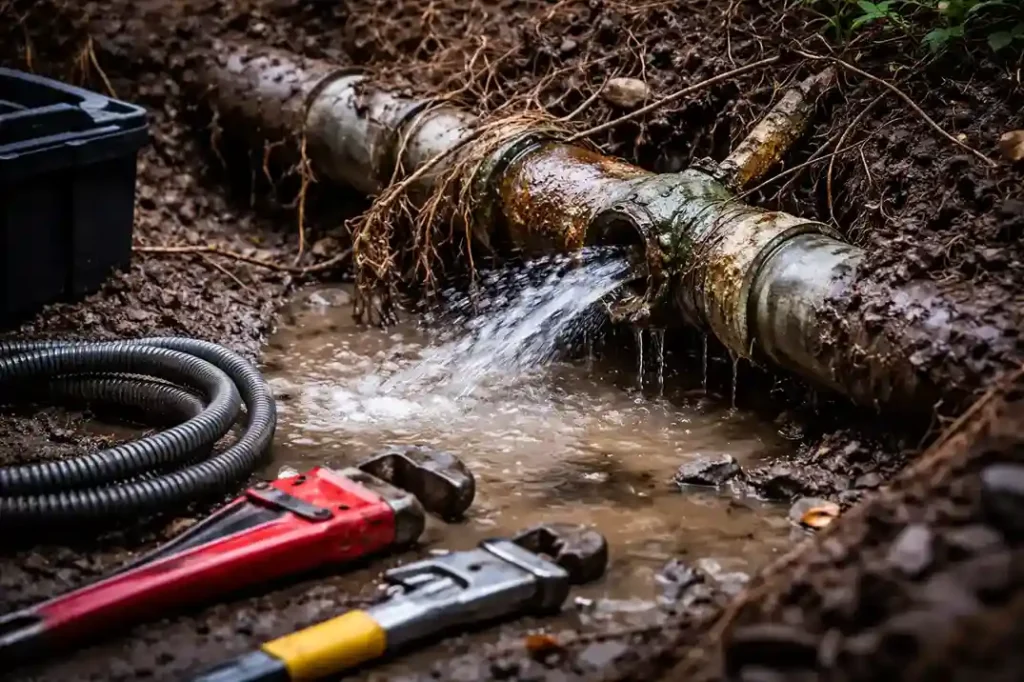
Gold Coast properties have patterns. After enough years in the field, certain issues repeat themselves. Salt exposure is a big one. Metal fittings corrode faster, especially in homes closer to the coastline, leading to unexpected failures.
Tree roots are another consistent problem. They don’t break pipes overnight. They creep in slowly, finding small cracks, expanding over time. By the time a blockage becomes severe enough to call 24 Hour Emergency Plumbing, the pipe is often already compromised.
Hot water failures also rank high. Systems here tend to work harder due to usage patterns. When they fail, it’s rarely gradual. It’s sudden, with no hot water, sometimes accompanied by leaks or pressure issues. These calls often come in early morning or late evening, exactly when disruption feels most severe.
What actually happens during an after-hours plumber visit
There’s an assumption that emergency visits are rushed or temporary. That’s not entirely accurate. A good technician approaches 24 Hour Emergency Plumbing with a structured mindset, even under pressure. The first step is always containment: stop the damage from spreading.
After that comes diagnosis, which is often more complicated at night. Limited visibility, urgency, and sometimes incomplete access make it less straightforward than daytime work. Temporary fixes are sometimes applied, but only when a full repair isn’t immediately feasible.
The final step is stabilization. The goal isn’t always perfection at that hour. It ensures the system is safe and functional until a proper follow-up can be scheduled if needed. That distinction matters because not every emergency fix is a permanent one, despite what people expect.
Pricing realities and unexpected cost variations explained
Emergency plumbing pricing tends to surprise people, mostly because expectations are set incorrectly. The callout fee alone is higher for 24 Hour Emergency Plumbing, and that’s before any actual work begins.
Then there’s the variability. A blocked drain might be cleared quickly, or it might require specialised equipment if the blockage is deep. A burst pipe could be easily accessible or hidden behind structural elements. Each scenario shifts the cost significantly.
There’s also a trade-off between speed and cost, which is why 24 Hour Emergency Plumbing services prioritize immediate resolution, sometimes using quicker but more expensive methods. Waiting for regular hours might reduce labour rates, but that only works if the situation allows for a safe wait, which isn’t always the case.
Preventive habits that reduce the need for urgent callouts
Most emergencies don’t appear out of nowhere; they build quietly, often requiring 24 Hour Emergency Plumbing services once small leaks, pressure inconsistencies, or occasional drainage issues are ignored. Ignoring these signs is one of the most common mistakes homeowners make.
Keeping an eye on your pipes doesn’t have to be a formal or expensive chore. Just having a bit of house awareness, spotting a damp patch on the drywall, hearing a weird whistle in the walls, or noticing a drop in water pressure can catch a disaster in the making. These small habits are what keep you from needing to call 24 Hour Emergency Plumbing nearly as often.
Of course, even the best maintenance isn’t infallible. Pipes age, materials wear out, and sometimes things just break without warning. The real goal isn’t to reach zero impossible risk but to make sure that when an emergency does happen, it’s a minor headache rather than a total catastrophe.
Choosing a reliable plumber during high-pressure situations
Decision-making changes under stress, which is why having access to 24 Hour Emergency Plumbing and ensuring repairs meet the Plumbing Code of Australia is crucial when water is leaking or systems are failing. People tend to pick the first available option, which is understandable, but it also leads to inconsistent outcomes.
A good 24 Hour Emergency Plumbing service is about more than just being awake at 3:00 AM. Speed is great, but experience is what actually fixes the leak. Gold Coast plumbing tends to follow certain patterns, and knowing those quirks is what makes a diagnosis fast and a repair stick.
Then there’s the transparency factor. During an emergency, clear communication often becomes a challenge. But knowing exactly what’s being fixed, what the bill looks like, and what happens next is the real mark of a professional, even more than how fast they pulled into the driveway.
Preventing Plumbing Emergencies
While emergencies can’t always be predicted, preventive measures drastically reduce risk:
- Inspect pipes regularly for leaks or corrosion
- Schedule routine hot water system servicing
- Avoid disposing of grease or large debris down drains
- Install water leak detection systems
- Know the main water shut-off valve location
For detailed guidance on routine plumbing care, resources like the Plumbing Code of Australia provide credible tips and standards.
Hidden risks homeowners underestimate during plumbing failures
One of the less discussed aspects of plumbing emergencies is how quickly secondary issues develop. Water damage isn’t always the main problem. Electrical risks, structural weakening, and hygiene concerns often follow.
For instance, water leaking near your fuse box or power points is an immediate danger, but it’s rarely the first thing people worry about when their floors are soaking. Most calls to 24 Hour Emergency plumbing only happens once the situation has already spiraled way past a bit of water damage.
We also see a lot of DIY fixes that actually make things worse. An improvised patch might hold for ten minutes, but when it fails under full pressure, the damage is usually twice as bad. The intention is always good, but the result often isn’t.
Common Hot Water System Issues in Gold Coast Homes
| Issue | Symptoms | Immediate Action |
| Thermostat Failure | Water is too hot or too cold | Call an emergency plumber |
| Leaking Tank | Puddles near the system | Shut off the water and schedule a repair |
| Sediment Build-up | Noisy operation | Flush system to remove sediment |
| Electrical Faults | The system won’t power on | Professional assessment required |
Why quick fixes often fail under real-world conditions
Quick fixes have their place, but they’re often misunderstood. A temporary solution is meant to buy time, not solve the problem entirely. Yet, many homeowners treat it as a permanent fix.
Electrical tape and hardware-store sealants might stop a drip for a second, but they won’t hold up against a burst main. That’s why 24 Hour Emergency Plumbing Pros focuses on actual stabilization. Even a temporary measure needs to be durable enough to hold until a permanent fix is possible.
There’s also the issue of misdiagnosis. Fixing the visible symptom without addressing the underlying cause leads to repeated failures. This is one of the more frustrating aspects of plumbing problems, which is that they rarely exist in isolation.
Conclusion
Emergencies never happen at a convenient time, but being prepared is what saves Gold Coast homes from a massive repair bill. Combining a fast response with a bit of expert knowledge is the only way to keep your plumbing safe and your life trouble-free.
For help when things actually go wrong, reach out to us today to book a 24 Hour Emergency Plumbing check-up or repair. You’ll have a lot more peace of mind knowing a skilled team is ready to jump on burst pipes or blocked drains at any hour.
Frequently Asked Questions
1. What is a 24 Hour Emergency Plumbing service?
24 Hour Emergency Plumbing is your immediate line of defence for the big problems: burst pipes, backed-up drains, or major leaks. We’re available nights, weekends, and holidays to make sure you get the damage under control as fast as possible.
2. How fast can emergency plumbers arrive in Gold Coast?
Most 24 Hour Emergency Plumbing teams aim to be at your door within 30 to 60 minutes. Obviously, traffic and where you’re located play a part, but the goal is always to get there before the water does any more damage.
3. How much does emergency plumbing cost in Gold Coast?
Costs vary based on timing, issue severity, and repair type. Emergency callouts usually start higher, with additional charges for parts and labour.