Hot Water Heater Installation: Benefits & Common Mistakes
Imagine rolling out of bed on a Gold Coast morning after a late-night surf or a hectic work night, eager to kickstart the day… only to be blasted by a stream of lukewarm despair in the shower. Not the kind of wake-up call you had in mind, right? It turns out, the secret to never becoming a soggy popsicle again often starts with professional hot water heater installation. Sure, DIY videos make it look easy, but installing your own hot water system can leave you high and dry (literally) in more ways than one.
In this post, I’ll walk you through why calling in the pros – an actual licensed plumber – is worth every cent for Gold Coast homeowners. We’ll unpack everything: from safety and comfort to warranties, efficiency, and long-term savings. After all, this is one appliance you really don’t want to gamble with.
The Real Perks of Going Pro
Think of professional installation like hiring a chef for a fancy dinner – sure, you could follow a recipe, but do you really want your soufflé to collapse or your dinner party to end early? The same goes for your hot water system. A licensed plumber brings more to the table than just a wrench; they bring knowledge and tools honed by years of experience. Here are some warm and fuzzy perks of choosing a pro over a weekend warrior approach:
Safety & Compliance: A pro knows the plumbing and electrical standards inside out. They’ll fit everything correctly – including mandatory safety devices like tempering valves – so you don’t accidently violate building codes or risk scalding yourself. For instance, by law all new systems in Australia must have a tempering valve to cap outlet water at 50°C. Ignore that, and you could seriously burn your skin (hot water at 60°C can cause a major burn in under 5 seconds).
Optimal Performance & Efficiency: Plumbers will help you pick the right size system for your needs (no more running out of hot water mid-shampoo) and ensure it’s plumbed in a way that maximises efficiency. They might show you smart timers or relay tricks too. The upshot? Your new heater starts paying off the day it’s installed, not costing you in wasted energy.
Warranty Protection: New hot water heaters come with warranties, but those can vanish faster than morning mist if installation isn’t done properly. Most manufacturers explicitly exclude faults caused by poor installation. In other words, botch it yourself and you could be on the hook for a new system – ouch. A pro installer will set it up by the book so your warranty stays intact.
Time and Hassle Savings: Tap into years of know-how rather than burning your weekend on uncooperative pipes. A professional handles the permit paperwork (some hot water installations are “notifiable work” in states like Victoria), works faster, and cleans up after themselves. No stress, no backaches, and a quick pint at the pub instead of grappling with a water-logged garage.
Peace of Mind: You sleep better knowing a qualified tradie did the job. If anything ever goes wrong (and trust me, water likes to find trouble), you’ll have someone licensed to call. No more sweaty “how-hard-can-it-be?” nights in the garage armed with YouTube tutorials!
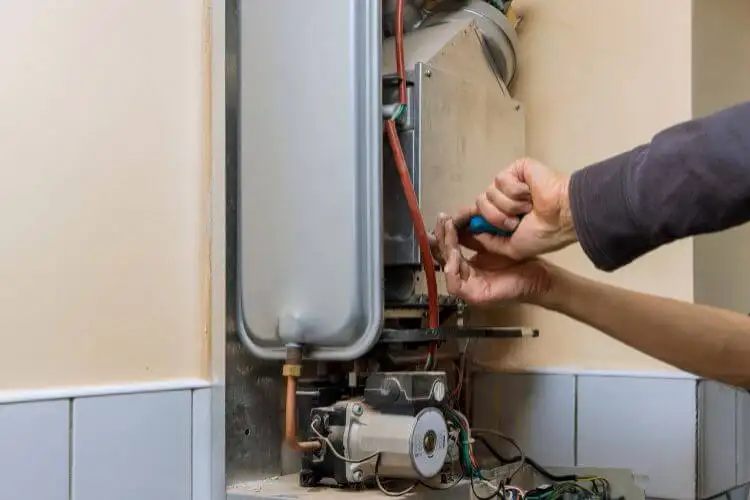
Safety & Compliance: Never Compromise
Hot water might sound mundane, but it’s surprisingly deadly if done wrong. Gas leaks, electrical faults, or even bacterial growth (hello, Legionella!) become real risks without the right installation.
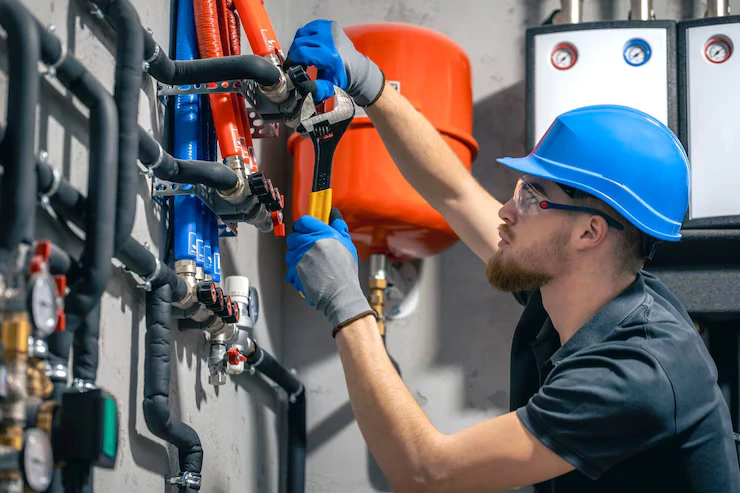
A professional plumber treats your home like a tight ship – no loose ends. They’ll hook up ventilation correctly (no rogue carbon monoxide guest-star), wire everything to current standards, and ensure no leaks are lurking. Here’s why this is crucial on the Gold Coast:
Legal Requirements: In Australia, all water heater installations have to meet strict codes. Per the national plumbing code AS/NZS 3500.4:2018, every system must be designed and installed exactly to spec. That means professional skills aren’t just a nicety – they’re a legal need. Queensland goes further: if you’re fitting a solar or heat-pump hot water system, you legally must use a plumber with a special QBCC endorsement. (No, “you’re on your honour” doesn’t apply here – it’s the law.)
Scald & Bacteria Control: Hot water systems must heat water to at least 60°C to kill Legionella bacteria. But 60°C water will burn you in seconds. The solution is a tempering (mixing) valve that delivers a safe 50°C at the tap. Licensed installers know exactly where to put these valves to balance safety vs. bacteria risk – a delicate dance best left to pros.
Insurance & Liability: If a DIY install leads to flooding or fire, insurance companies will sniff around every detail. A botched job by an unlicensed handyperson? That could void your cover. A proper certificate from a professional – including plumbing and electrical compliance certificates – keeps insurers happy. Plus, if you ever sell your Gold Coast home, building inspectors will ask “who did the install?” Don’t be the answer they don’t want to hear.
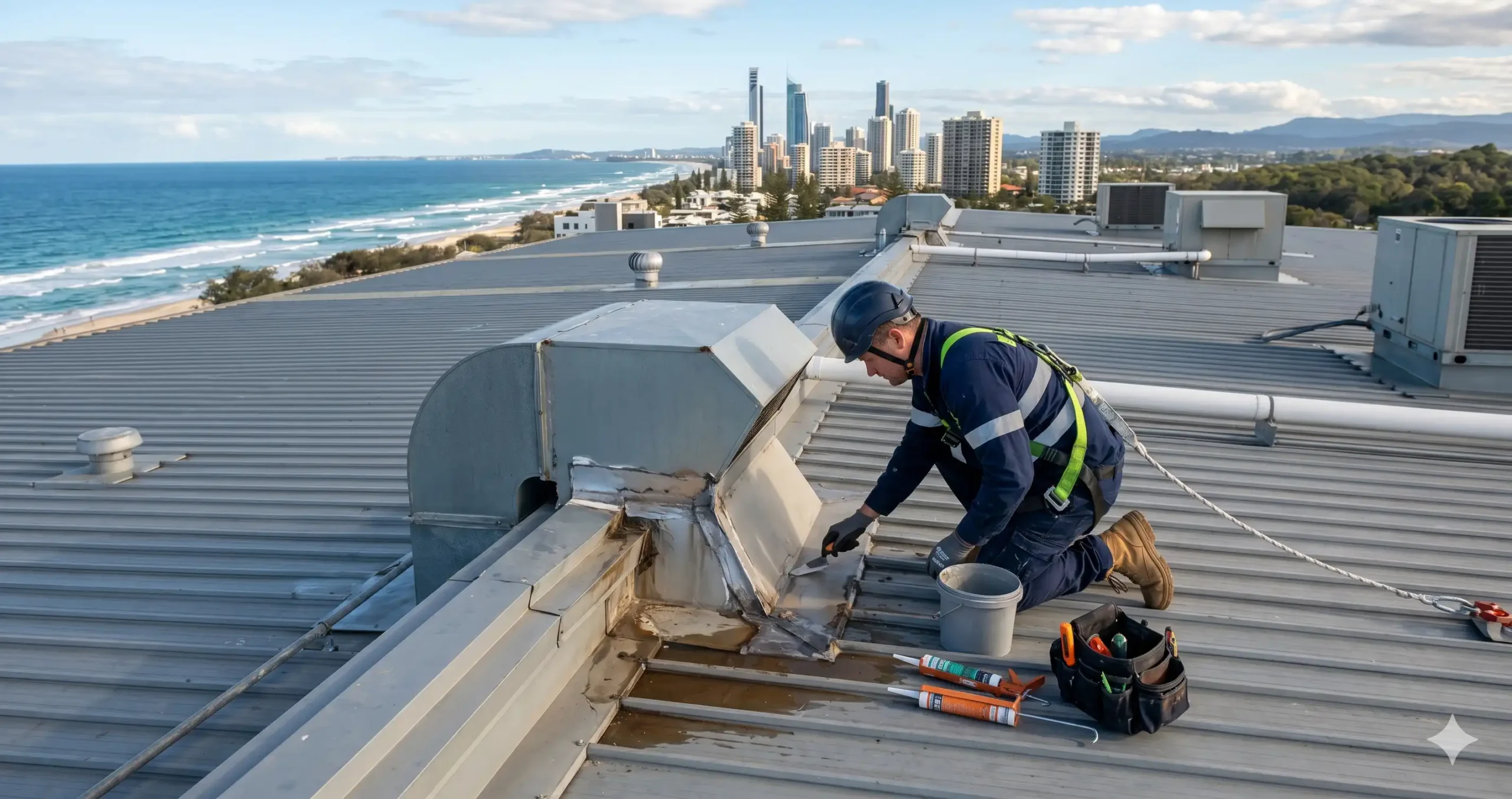
Local Conditions: Even something like choosing where on the roof to mount a solar panel matters in Queensland’s sun. A professional will orient panels for Gold Coast’s angle, avoid shady spots, and anchor heavy tanks to endure storms. Overconfident DIYers often overlook these finicky details.
Simply put, messing up a hot water install is a bit like sending your DIY-built rocket up the driveway – it might look cool until something blows sky-high. On the Gold Coast’s tight-knit beacheside suburbs, it pays to keep everyone safe and code-compliant – that means hiring a qualified plumber.
Efficiency, Savings & Sustainability
Look, nobody likes paying extra on power bills. But here’s the catch: a poorly installed system can guzzle energy like a teenager on a juice box. The right installer not only saves your skin, they save you dollars and planet points too.
Right Size, Right Setup: Plumbers will crunch household hot water usage to pick a unit that isn’t overkill (huge tank and big bills!) or undersized (constant midnight cold-shower alarms). They’ll also optimize insulation and pipe layouts. On the Gold Coast, where summer sun is abundant, a pro might recommend solar or heat-pump systems to capitalize on rebates and fuel cost savings.
Energy Rebate Advice: Did you know there are federal and local rebates for efficient hot water upgrades? A savvy installer can tip you off. (Pro tip: Queensland currently has no state rebate, but federal STCs apply for solar/heat pumps.) They’ll also set timers to run the heater on off-peak rates or sync with your solar panels, stretching each dollar of energy.
Performance Tips: When I had our old system replaced, the plumber taught me little tricks – like flushing sediment yearly and adding insulation to expose pipes – that keep the system efficient. (Turns out, skipping that was causing my unit to work overtime!) This kind of pro advice, usually free with the job, will keep your bills down long-term.
In short, a professional install is an investment that pays you back via lower bills, longer-lasting equipment, and possibly even government incentives. It’s like buying a slightly more expensive car for its better fuel economy – you make the smart decision up front, and it rewards you down the road.
Warranty and Long-Term Value
Buying a new hot water heater is a big-ticket purchase. The last thing you want is for an installation oopsie to turn that purchase into a liability. Here’s the deal: warranties are awesome – but only if you don’t accidentally void them.
Installation Clauses: Most hot water warranties explicitly exclude damage from improper installation. Translation: if you DIY and something fails, the manufacturer can point at “incorrect install” and say “nope, not covered.” However, when a licensed plumber installs it according to spec, your warranty stays rock-solid.
Professional Accountability: Licensed tradies stand behind their work. If your heater does malfunction after a pro fit-out, you have recourse. The installer’s liability insurance can kick in, or at least you have documentation that a certified pro did it. That counts for a lot if you need to make a warranty claim down the track.
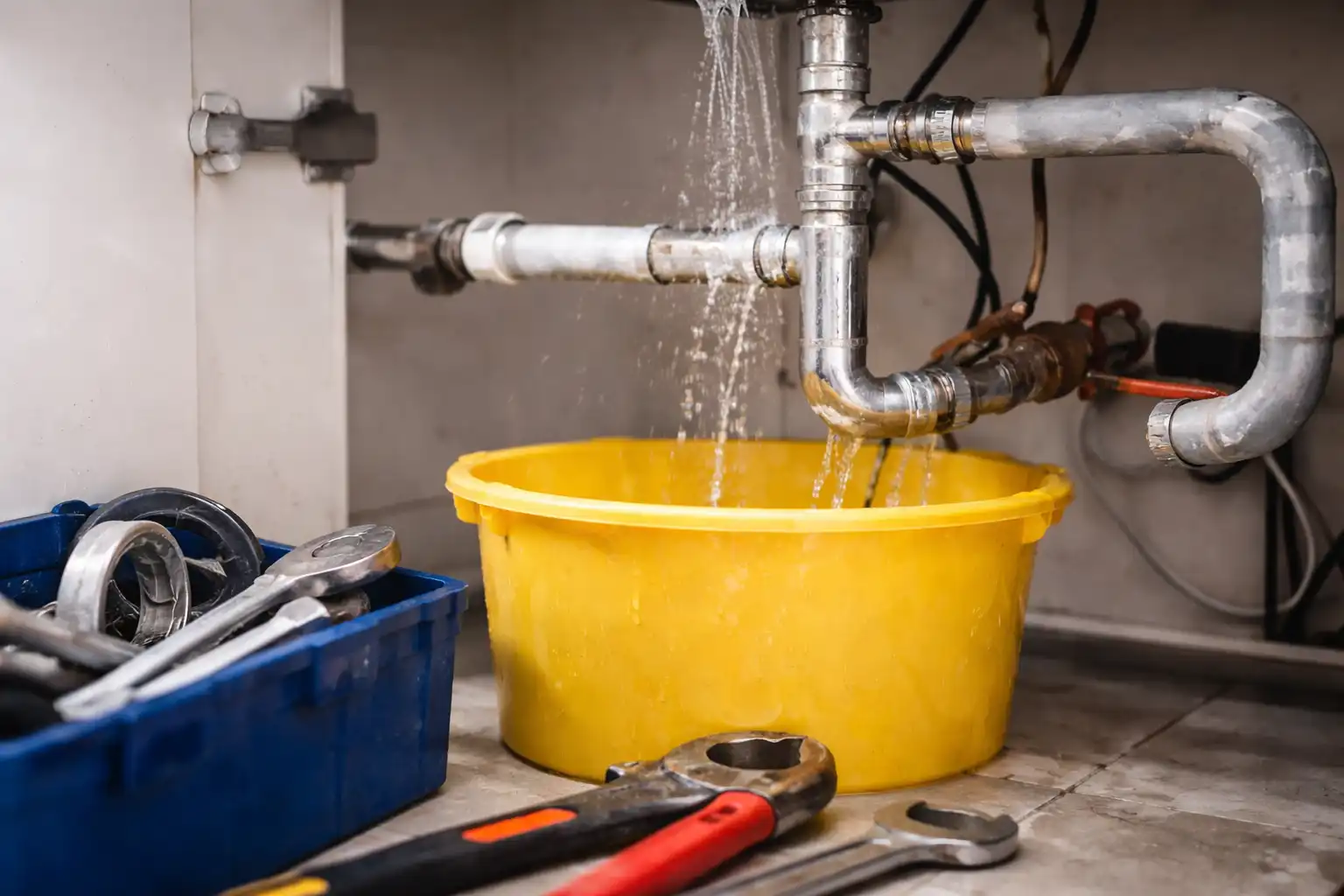
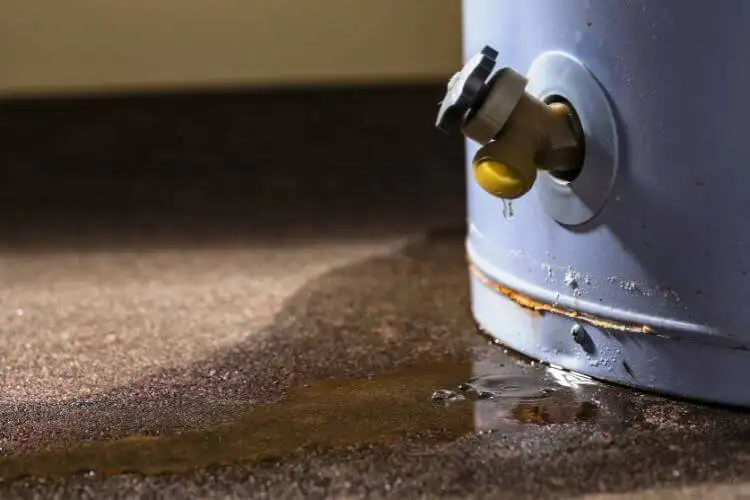
Maintenance and Inspections: Many warranties also expect regular servicing. A plumber can set up an annual check-up schedule, spotting issues (like that leaky relief valve above!) before they become warranty-busters. This keeps your system happy and your wallet happier.
Resale Value: Selling a Gold Coast home? Buyers love peace of mind. A certificate of compliance and documented installation by a licensed plumber is a selling point. Imagine listing “New hot water system – installed by certified plumber!” vs. “DIY installed system” in the ad. The first builds trust (and price).
Spending on a pro plumber now saves you from the nightmare of emergency repairs and denied insurance claims later. It’s the ultimate “better safe than sorry” move for your home’s future.
DIY vs Professional: The Showdown
It’s tempting to think, “How hard can it be?” Let’s settle it with a quick comparison: what do you actually trade off by going DIY?
| Aspect | DIY Installation | Professional Installation |
|---|---|---|
| Skill & Knowledge | Limited to tutorials and luck – easy to guess wrong sizes or steps. | A licensed plumber knows local codes, correct sizing, and safety features. |
| Safety & Risk | High chance of gas leaks, improper venting, electrical faults, or scalding hazards. | Plumber uses right tools and techniques to avoid leaks, shocks and burns. |
| Warranty & Compliance | Manufacturer will void warranty for “faulty installation”. You might need special permits or certificates you don’t have. | Installation follows legal standards and keeps warranties valid; plumber handles permits and paperwork. |
| Time & Effort | Days (or weeks) wrestling with heavy units, and still no guarantee it works properly. | Usually done in a few hours by experienced crews, with a tested working system. |
| Outcome & Peace of Mind | Uncertainty: Will it work? Will it last? What if something floods? | Confidence: Tested system, insurance cover, and someone to call if anything goes awry. |
In most cases, the small upfront cost difference is dwarfed by the huge difference in headaches. Remember, gold-coast winters might be mild, but that doesn’t excuse cold showers year-round.
Conclusion: Call the Pros and Stay Warm
All things considered, professional hot water heater installation is a clear winner for Gold Coast homeowners. It may sound funny to hire someone for what seems like a straightforward job, but the investment pays off in safety, savings, and serenity. You avoid the horrors of leaks, legal headaches, or toast-your-toes-level scalds.
Instead, you get reliable hot showers, a maintained warranty, and the confidence that your home is up to code. So next time you’re wrapping your head around a new hot water system, remember: plumbing isn’t just hanging a tank on the wall.
It’s about protecting your family and future wallet. Skip the DIY experiment. Reach out to a licensed Gold Coast plumber who specializes in hot water systems – they’ll make sure your installation is flawless. In the end, that warm, worry-free shower will feel all the sweeter knowing you made the smart choice.
Frequently Asked Questions
How much does professional hot water heater installation cost on the Gold Coast?
Prices vary with system type and complexity. Generally, labour for removing the old unit and installing a new one ranges around $1,000–$1,400. The heater itself can be anywhere from $600 (small electric models) up to $8,000 (large solar systems). Remember, these figures include compliance checks and certificates that a DIY install would lack. It may seem like more, but a pro handles all the tricky bits so you don’t end up paying more later in damage or inefficiency.
Can I legally install a water heater myself in Australia?
Technically, Australia doesn’t forbid homeowner installs in all cases, but there’s a catch. Any work on gas or plumbing usually falls under “notifiable work” which must be registered. In places like Victoria, even if you do it yourself, a licensed plumber must submit a notifiable work form for you. And if you live in Queensland and your system is solar or heat-pump, you’re required to use a plumber with a special QBCC endorsement. The penalties and voided warranties make DIY installations an unnecessary risk.
What safety devices are required in a hot water installation?
By law, every new hot water heater must include a tempering (mixing) valve that limits tap water to 50°C, preventing burns. Storage tank systems must heat to at least 60°C internally to kill Legionella. If it’s gas-powered, there are mandatory flues and gas isolation valves. Properly qualified plumbers know where and how to install all these. Miss one, and you could face dangerous outcomes or fail an inspection.
Are there any rebates or incentives for installing a new hot water system?
Yes, there are a couple. Federally, you can get Small-scale Technology Certificates (STCs) for installing approved solar or heat-pump systems, which effectively knock hundreds off your upfront cost. Some states have extra incentives (e.g. NSW and Victoria have discounts up to ~$1,400 for switching to efficient heat pumps), though currently Queensland has no specific hot water rebate. Always check the latest Queensland or federal energy rebates – and note most require the install to be done by an accredited installer.