Dripping Faucet Repair 101: Stop Leak Before It Costs You
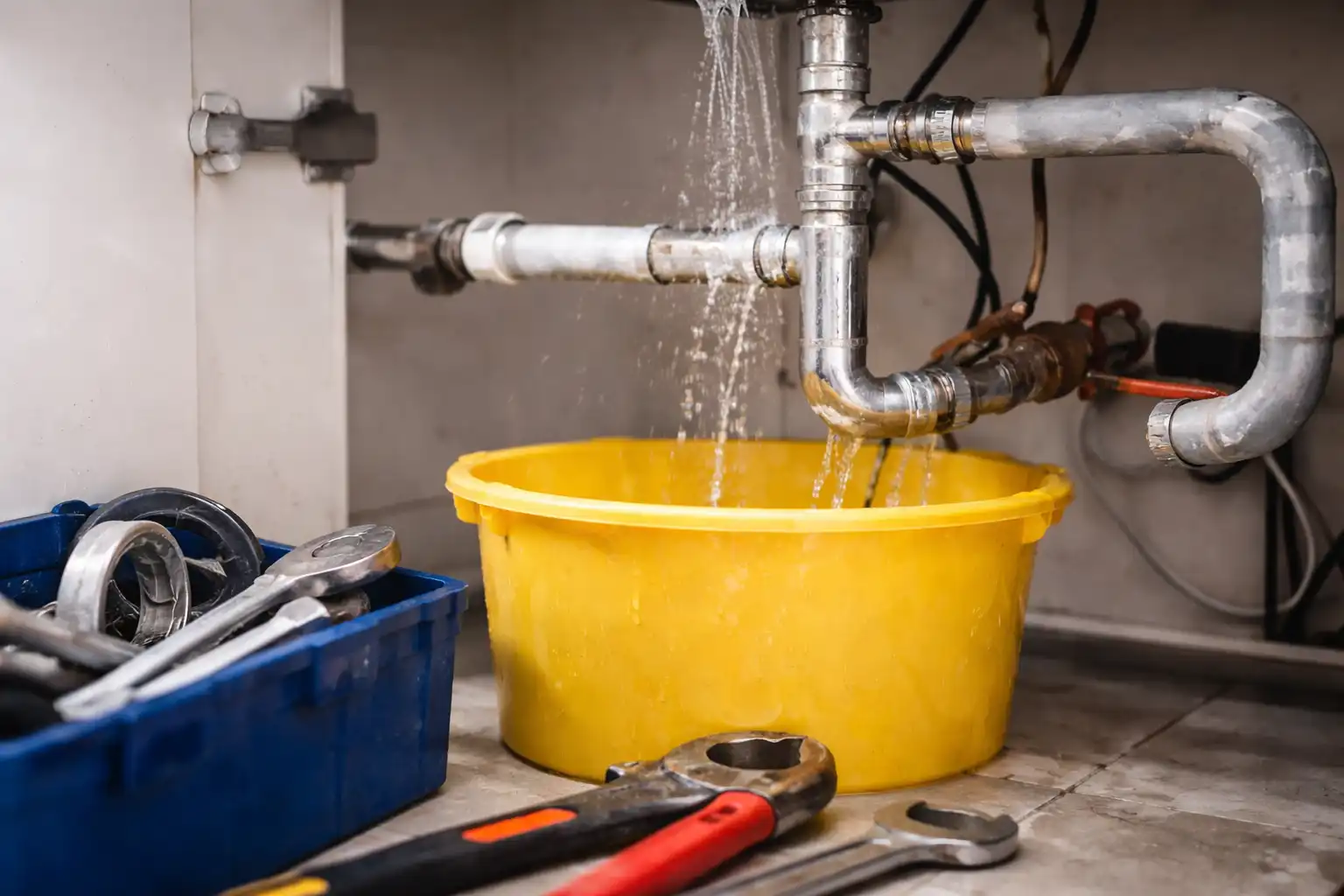
There’s something uniquely irritating about the drip… drip… drip of a leaky tap. It’s that sound you can’t unhear — the one that keeps you awake at 2 a.m., mocking your plumbing skills and slowly driving up your water bill. But that little leak is more than just an annoyance; it’s a sign that your plumbing system is crying out for help.
Welcome to Dripping Faucet Repair 101, where we’ll dive into what causes those stubborn drips, why they’re worth fixing fast, and how to get them sorted — before they start costing you serious cash.
Why a Dripping Faucet Isn’t “Just a Little Leak”
Many homeowners shrug off a dripping tap thinking, “It’s just a few drops — no big deal.” Unfortunately, that couldn’t be further from the truth. According to the Australian Government’s water efficiency guidelines, a single dripping faucet can waste up to 20,000 litres of water per year. That’s enough to fill a small swimming pool or keep your garden lush through a dry summer.
Beyond the waste, there’s the cost. Leaky faucets quietly inflate your water bill month after month, and if left unchecked, they can lead to corroded fittings, water damage around sinks, or even mould growth. In short — the longer you wait to fix it, the more expensive it becomes.
What Causes Faucets to Drip?
Before you grab a wrench or call a plumber, it helps to understand what’s behind that persistent drip. Common culprits include:
- Worn-out washers or O-rings:
These small rubber components form the seal that keeps water from flowing when the tap is off. Over time, friction and water pressure wear them down, allowing leaks to form. - Corroded valve seat:
The valve seat connects the faucet and the spout. When it corrodes, it creates tiny gaps that let water escape. - Loose parts or handles:
Constant turning and water pressure can loosen faucet parts, allowing leaks around the base or spout. - High water pressure:
Water pressure that’s too strong can cause dripping even when the tap is closed — a sign you may need to adjust your home’s pressure regulator. - Old or low-quality fixtures:
Not all faucets are created equal. Cheaper or older models can develop leaks more easily as components degrade.
When you notice a leak, the key is to act quickly — either fix it yourself if it’s minor or bring in professionals who can handle the job efficiently.
If you’re not sure where to start or don’t have the tools handy, reach out to the best plumber for Dripping Faucet Repair who can pinpoint the cause and fix it before it becomes a full-blown plumbing issue.
DIY Dripping Faucet Repair: A Step-by-Step Guide
Feeling handy? If the problem is a worn washer or O-ring, you might be able to tackle the repair yourself. Here’s how to go about it safely and effectively.
Step 1: Turn Off the Water Supply
Locate the shut-off valves under your sink and twist them clockwise to close. Turn on the tap to drain any remaining water before you begin.
Step 2: Plug the Drain
Use a sink plug or rag to cover the drain — this prevents tiny parts from falling down the pipe mid-repair.
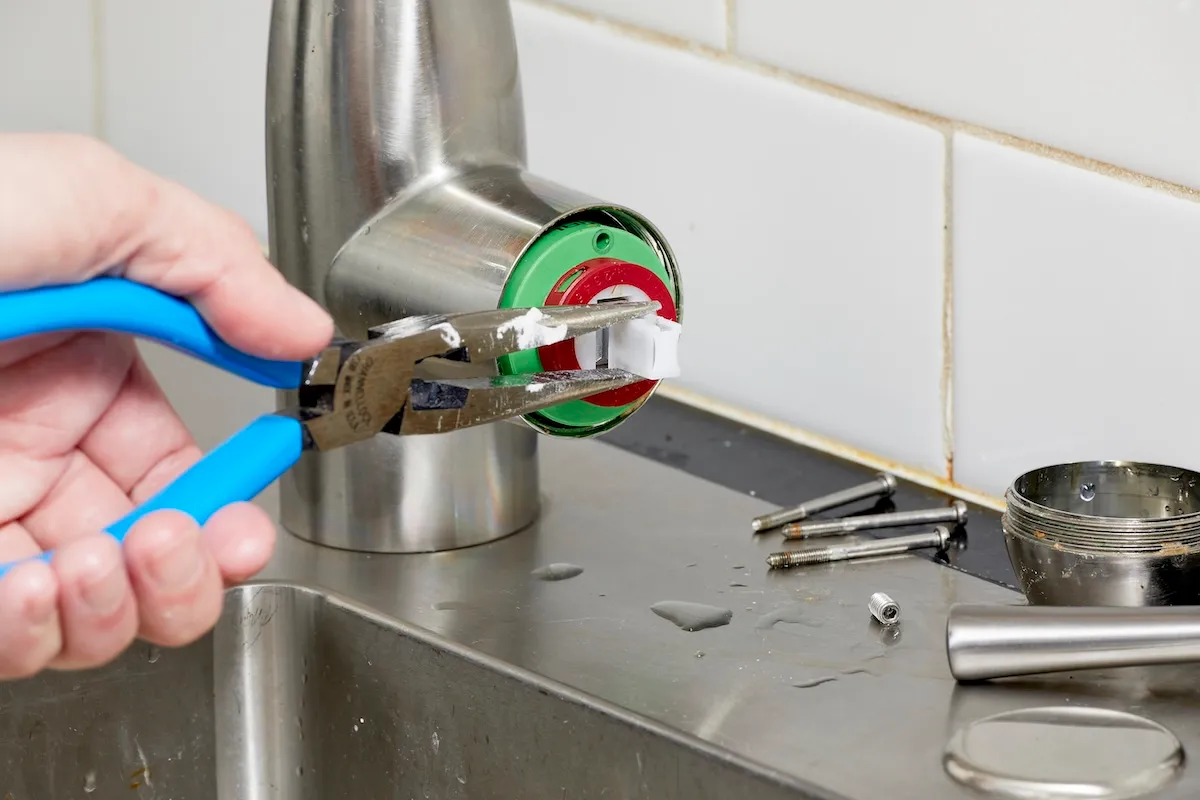
Step 3: Remove the Faucet Handle
Using a screwdriver, remove the decorative cap on top of the handle and unscrew it. Gently lift off the handle to expose the internal parts.
Step 4: Inspect the Washer and O-Ring
Look for cracks, flattening, or other wear signs. If damaged, replace them with new parts of the same size. Bring the old ones to a hardware store for reference if needed.
Step 5: Clean and Reassemble
Wipe away any mineral deposits or corrosion from the valve seat with white vinegar. Then reassemble the faucet and turn the water back on.
If the leak persists after replacing the washer, the problem might be deeper — such as corrosion in the valve seat or a worn cartridge — which usually requires professional tools and expertise to repair.
When to Call a Professional Plumber
Let’s be honest: not everyone wants to spend their Saturday morning hunched under a sink. And even if you do, not every leak is a DIY fix. If you notice any of the following, it’s best to call a licensed plumber:
- The leak continues after replacing washers or O-rings
- Water pressure is inconsistent across taps
- You notice dampness or mould under your sink
- The faucet is old and corroded beyond repair
- You’re unsure about your plumbing setup
A professional plumber can quickly diagnose the issue using specialised tools, saving you time, effort, and frustration. Plus, they’ll ensure the repair complies with Australian plumbing standards (AS/NZS 3500) — something many homeowners overlook.
How Professional Faucet Repair Saves You Money
It’s easy to think hiring a plumber is an expense, but in reality, it’s an investment. Here’s why:
- Water Bill Savings:
A dripping tap wastes litres of water daily. Fixing it stops the waste immediately. - Prevents Further Damage:
Slow leaks can erode fittings, stain fixtures, and even lead to water damage in cabinetry. - Improved Water Pressure:
Fixing internal blockages restores consistent water flow and pressure. - Peace of Mind:
A professional repair means you won’t be back under the sink in two weeks. - Longer Fixture Life:
Properly fixed faucets last longer, saving you from frequent replacements.
The Environmental Angle: Every Drop Counts
Australia’s ongoing water challenges make conservation a national priority. Fixing dripping faucets might seem like a small step, but collectively, it makes a huge difference. According to Smart Approved WaterMark, fixing one household leak can save up to 10% of your annual water usage.
If you live in drought-prone areas like Queensland, Victoria, or New South Wales, even minor repairs contribute to sustainable living. It’s not just about saving money — it’s about doing your part for the environment.
Preventing Future Faucet Leaks
Once your faucet is fixed, you’ll want to make sure it stays that way. Here are some easy maintenance tips:
- Don’t overtighten handles: Turning the tap too hard can damage washers.
- Clean regularly: Mineral buildup accelerates wear.
- Replace washers annually: Especially in high-use taps like kitchen sinks.
- Monitor water pressure: Keep it within the recommended range (between 40–60 psi).
- Invest in quality fixtures: Modern faucets are designed with ceramic discs that are more durable than rubber washers.
When Replacement Beats Repair
Sometimes, replacing the faucet entirely is more cost-effective than constant repairs — especially if the fixture is old, corroded, or inefficient. Modern taps come with Water Efficiency Labelling and Standards (WELS) ratings, helping you choose fixtures that save both water and energy.
If you’re planning a bathroom or kitchen upgrade, consult your local plumber for water-efficient options that complement your home’s style and needs.
The Bottom Line
A dripping faucet is one of those “small” household issues that can quickly turn into a big one if ignored. Beyond the irritating sound, you’re literally pouring money down the drain — and potentially wasting thousands of litres of water each year.
The good news? A quick dripping faucet repair can stop the leak, save your wallet, and conserve one of Australia’s most precious resources. Whether you take the DIY route or call in a pro, acting fast is the smartest move you can make.
So next time that drip keeps you awake, don’t just turn up the TV — fix it. Or better yet, call the experts who can handle it in minutes and guarantee it won’t come back.
Frequently Asked Questions
1. How much does dripping faucet repair cost in Australia?
Most minor faucet repairs range between $90 and $180, depending on the type of tap and parts required. If the faucet needs replacement, the cost can go up to $300–$400 including labour and materials.
2. Can I fix a dripping faucet myself?
Yes, if the issue is a worn washer or O-ring, it’s often a simple DIY task. However, for cartridge or ceramic disc faucets, or leaks caused by corrosion, it’s best to hire a licensed plumber.
3. What tools do I need to fix a dripping faucet?
You’ll typically need an adjustable wrench, screwdriver, pliers, and replacement washers or O-rings. Always turn off the water supply before starting.
4. How do I prevent my faucet from dripping again?
Regular maintenance is key — clean your tap aerators, avoid overtightening handles, replace washers periodically, and monitor your water pressure to prevent stress on the fittings.